
Graphic design and photography are closely interconnected disciplines that work together to create effective visual…
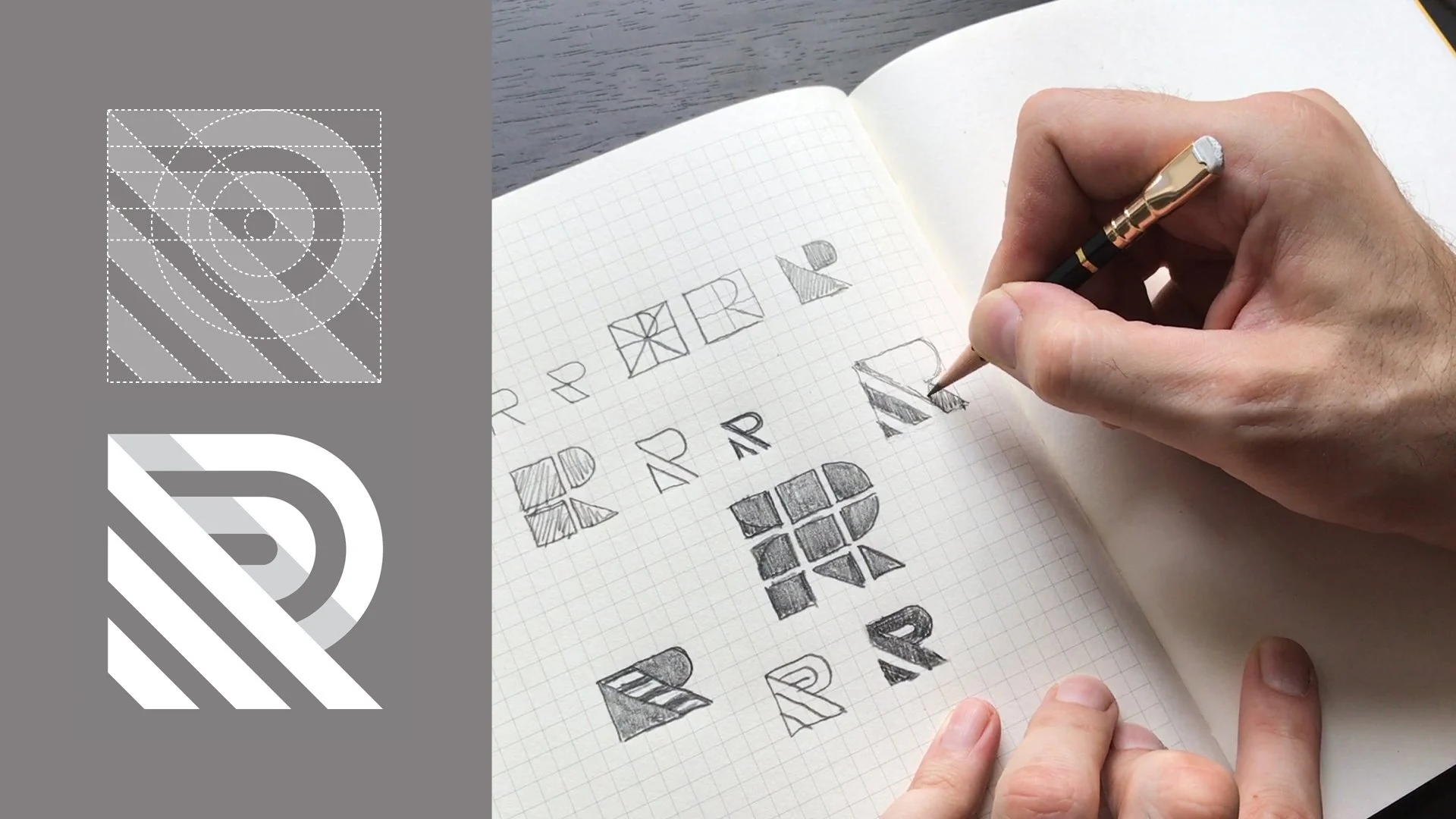
The Art of Logo Design
A logo is one of the most important visual assets of any organization, brand, or institution. It serves as a visual identifier that communicates identity, values, and purpose through a single graphic mark. Logo design is not merely a decorative exercise; it is a strategic process that combines artistic creativity, visual communication, psychology, and design principles to create symbols that are memorable, meaningful, and functional. A well-designed logo becomes the visual foundation of brand identity and plays a crucial role in recognition, trust, and communication (Meggs & Purvis, 2016; Wheeler, 2017).
Logo design is both an art and a science. It integrates aesthetics with communication strategy to create visual symbols that represent complex ideas in simple form.
Understanding the Purpose of a Logo
A logo serves as a visual representation of an organization or brand. Its primary function is identification, not explanation. Unlike advertisements, logos do not need to describe what a company does. Instead, they create recognition and association over time (Wheeler, 2017).
Logos help organizations:
- Establish identity
- Build brand recognition
- Communicate professionalism
- Create emotional connection
A logo becomes a visual shortcut that allows audiences to identify a brand quickly.
Recognition is the core function of logo design.
Logos create visual memory.
They support brand communication.
Logo Design as Visual Communication
Logo design is a form of visual communication. Designers use shapes, colors, typography, and symbols to communicate meaning without words (Lupton & Phillips, 2015).
Visual elements in logo design communicate:
- Personality
- Values
- Tone
For example:
- Geometric shapes communicate stability
- Organic shapes communicate creativity
Visual communication enhances brand perception.
Logos communicate visually.
They function as visual language.
Design transforms abstract ideas into visual form.
Principles of Effective Logo Design
Effective logo design follows established principles of design that ensure clarity, functionality, and memorability.
Simplicity
Simplicity is essential for logo effectiveness. Simple logos are easier to recognize, remember, and reproduce (Wheeler, 2017).
Simple logos:
- Improve recognition
- Enhance memorability
Complex logos reduce clarity.
Simplicity strengthens visual impact.
Simple design improves usability.
Simplicity enhances communication effectiveness.
Clarity improves recognition.
Simplicity supports visual identity.
Memorability
A logo must be memorable so viewers can recognize it easily. Memorable logos create strong visual associations (Meggs & Purvis, 2016).
Memorability depends on:
- Distinctiveness
- Simplicity
Memorable logos strengthen brand identity.
Recognition improves brand communication.
Memorable design enhances effectiveness.
Memorability supports visual recall.
Distinctiveness improves recognition.
Memorability enhances brand connection.
Recognition strengthens identity.
Versatility
A logo must function effectively across various applications, including print, digital, and large-scale formats (Wheeler, 2017).
Versatile logos:
- Work at different sizes
- Maintain clarity
Versatility enhances usability.
Scalability improves functionality.
Versatility strengthens brand consistency.
Flexible design improves communication effectiveness.
Versatility supports multiple media formats.
Adaptability improves usability.
Versatility enhances practical application.
Timelessness
Timeless logos remain effective over long periods without appearing outdated. Timeless design avoids unnecessary trends (Meggs & Purvis, 2016).
Timeless logos:
- Maintain relevance
Timelessness enhances brand stability.
Long-term usability improves effectiveness.
Timeless design strengthens brand identity.
Durability improves communication value.
Timelessness enhances brand continuity.
Longevity improves visual recognition.
Timeless logos maintain relevance.
Appropriateness
A logo must be appropriate for its intended audience and purpose. Design must align with brand identity and communication goals (Wheeler, 2017).
Appropriate logos:
- Reflect brand personality
Appropriateness enhances communication effectiveness.
Design aligns with audience expectations.
Appropriateness strengthens brand identity.
Relevant design improves recognition.
Appropriateness enhances visual communication.
Design reflects brand values.
Appropriate design improves effectiveness.
Elements of Logo Design
Logo design uses the fundamental elements of visual design to create effective visual communication.
Shape and Form
Shapes communicate psychological meaning and influence perception (Lidwell et al., 2010).
For example:
- Circles communicate unity
- Squares communicate stability
Shape influences emotional response.
Shape enhances visual meaning.
Shape improves recognition.
Shape strengthens communication effectiveness.
Form enhances visual clarity.
Shape influences perception.
Shape strengthens identity.
Color and Psychological Impact
Color plays a critical role in logo design by influencing emotional response and brand perception (Ware, 2013).
Color communicates:
- Emotion
- Personality
For example:
- Blue communicates trust
- Red communicates energy
Color enhances emotional connection.
Color improves visual recognition.
Color strengthens communication effectiveness.
Color enhances brand identity.
Color influences perception.
Color improves memorability.
Color strengthens visual communication.
Typography and Brand Voice
Typography communicates tone and personality. Typeface selection influences brand perception (Lupton, 2010).
Typography communicates:
- Professionalism
- Creativity
Typeface influences readability.
Typography enhances visual clarity.
Typography strengthens communication effectiveness.
Typography enhances brand identity.
Typography improves recognition.
Typography supports visual communication.
Typography enhances brand voice.
Symbolism and Meaning
Symbols allow logos to communicate ideas visually. Symbolism enhances communication efficiency (Arnheim, 1974).
Symbols enhance:
- Meaning
- Recognition
Symbolism strengthens communication clarity.
Symbols enhance visual identity.
Symbolism improves memorability.
Symbols enhance communication effectiveness.
Symbolism strengthens visual storytelling.
Symbols enhance perception.
Symbolism enhances brand communication.
Psychology of Logo Design
Logo design relies on psychological principles of perception, memory, and emotional response. Visual perception allows viewers to recognize logos quickly and form associations (Ware, 2013).
Psychological factors include:
- Visual memory
- Emotional association
Emotion enhances memorability.
Psychology strengthens visual communication.
Emotion enhances brand connection.
Perception improves recognition.
Psychology enhances communication effectiveness.
Emotional connection strengthens identity.
Psychology supports visual understanding.
Logo Design and Brand Identity Systems
Logos function as the foundation of brand identity systems. They are used consistently across all visual communication materials (Wheeler, 2017).
Brand identity includes:
- Logo
- Color palette
- Typography
Consistency strengthens brand recognition.
Visual identity enhances communication effectiveness.
Logos support brand consistency.
Identity strengthens brand perception.
Consistency enhances memorability.
Brand identity improves recognition.
Consistency strengthens visual communication.
The Logo Design Process
Logo design involves a structured process that includes research, concept development, and refinement.
Research and Analysis
Designers study:
- Brand values
- Audience
Research improves communication effectiveness.
Understanding audience enhances design quality.
Research strengthens visual communication.
Analysis improves design accuracy.
Research supports communication clarity.
Understanding context improves effectiveness.
Research enhances design relevance.
Concept Development
Designers develop multiple visual ideas and concepts. Concept development explores visual possibilities (Lupton & Phillips, 2015).
Concept exploration enhances creativity.
Idea generation improves design quality.
Concept development strengthens visual communication.
Exploration enhances originality.
Concept refinement improves effectiveness.
Creativity enhances communication clarity.
Concept development strengthens design outcomes.
Refinement and Finalization
Designers refine concepts to ensure clarity, simplicity, and functionality.
Refinement improves visual clarity.
Refinement enhances communication effectiveness.
Refinement strengthens visual impact.
Refinement improves usability.
Refinement enhances memorability.
Refinement strengthens communication clarity.
Refinement enhances design quality.
Logo Design in the Digital Age
Digital technology has transformed logo design by providing tools for precision and flexibility. However, fundamental design principles remain essential (Meggs & Purvis, 2016).
Digital tools enhance:
- Precision
- Efficiency
Technology enhances creative capability.
Digital design improves workflow efficiency.
Technology enhances communication effectiveness.
Digital tools support creative exploration.
Technology enhances visual precision.
Digital design improves usability.
Technology enhances visual communication.
Common Types of Logos
Logos can be categorized into several types:
- Wordmarks
- Lettermarks
- Symbol logos
- Combination logos
Each type serves different communication purposes (Wheeler, 2017).
Logo type influences recognition.
Different forms enhance communication flexibility.
Logo type strengthens identity communication.
Logo classification enhances design understanding.
Different forms enhance visual communication.
Logo types support brand identity.
Logo categories improve communication effectiveness.
Conclusion
Logo design is a critical discipline that combines artistic creativity with communication strategy. Effective logos use visual elements, design principles, and psychological understanding to create symbols that represent identity and communicate meaning.
Logo design enhances brand recognition, emotional connection, and communication effectiveness.
A well-designed logo becomes the visual foundation of brand identity.
Logo design is both artistic and functional.
It transforms visual elements into meaningful symbols.
Effective logo design requires creativity, strategy, and understanding of visual communication principles.
The art of logo design is the art of visual identity.
References
Arnheim, R. (1974). Art and visual perception: A psychology of the creative eye. University of California Press.
Lidwell, W., Holden, K., & Butler, J. (2010). Universal principles of design (Rev. ed.). Rockport Publishers.
Lupton, E. (2010). Thinking with type: A critical guide for designers, writers, editors, and students (2nd ed.). Princeton Architectural Press.
Lupton, E., & Phillips, J. C. (2015). Graphic design: The new basics (2nd ed.). Princeton Architectural Press.
Meggs, P. B., & Purvis, A. W. (2016). Meggs’ history of graphic design (6th ed.). Wiley.
Ware, C. (2013). Information visualization: Perception for design (3rd ed.). Morgan Kaufmann.
Wheeler, A. (2017). Designing brand identity: An essential guide for the whole branding team (5th ed.). Wiley.

Related Posts


This Post Has 0 Comments