

The Connection Between Graphic Design and Photography: Visual Communication Through Image and Structure
Graphic design and photography are closely interconnected disciplines that work together to create effective visual communication. Both fields rely on the principles of composition, color, contrast, and visual storytelling to convey meaning and engage viewers. Photography provides visual content that captures reality, emotion, and context, while graphic design organizes and enhances that content to communicate specific messages. Together, they form a powerful partnership that shapes modern media, branding, advertising, and digital communication (Meggs & Purvis, 2016; Hunter et al., 2015).
Graphic design gives structure to visual content, while photography provides visual substance.
Their integration enhances clarity, emotional impact, and communication effectiveness.
Photography as the Foundation of Visual Content
Photography plays a crucial role in providing visual material for graphic design. Photographs capture real-world subjects, environments, and emotions, making them essential tools for visual storytelling and communication (Hunter et al., 2015).
Photography contributes to graphic design by:
- Providing realistic visual content
- Capturing emotion and atmosphere
- Supporting visual storytelling
Photographs create authenticity.
Images enhance emotional engagement.
Photography strengthens communication effectiveness.
Photography provides visual evidence.
Images enhance viewer connection.
Photography supports visual narrative.
Photographs communicate instantly.
Photography enhances visual clarity.
Graphic Design as the Structure of Visual Communication
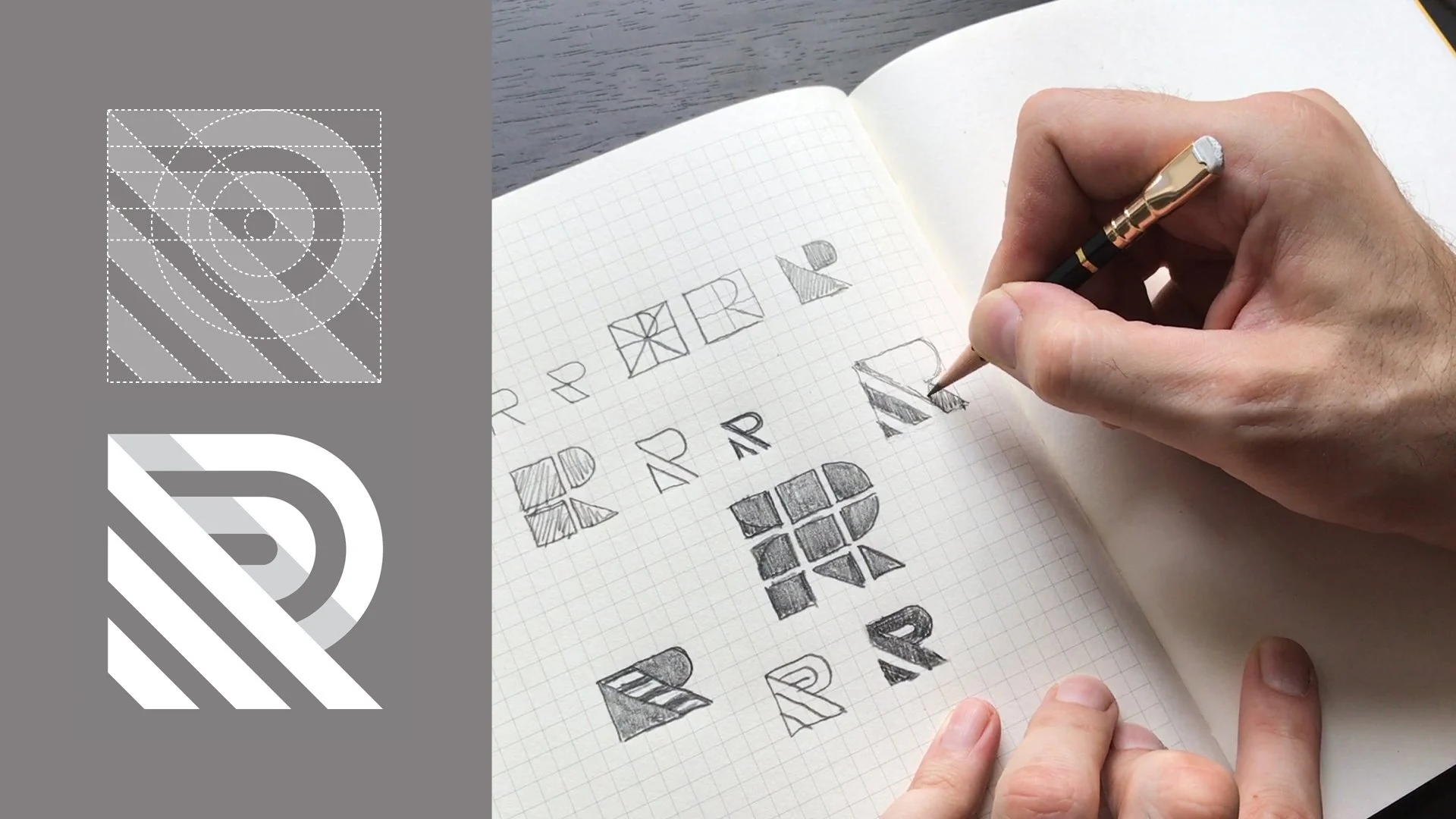
Graphic design organizes and enhances photographic images to communicate specific messages. Designers use layout, typography, color, and composition to guide viewer attention and improve communication clarity (Lupton & Phillips, 2015).
Graphic design enhances photography through:
- Layout organization
- Visual hierarchy
- Typography integration
Design improves readability.
Design enhances visual structure.
Graphic design strengthens communication clarity.
Design improves visual emphasis.
Design enhances usability.
Graphic design organizes visual information.
Design improves viewer understanding.
Design enhances communication effectiveness.
Shared Principles of Composition
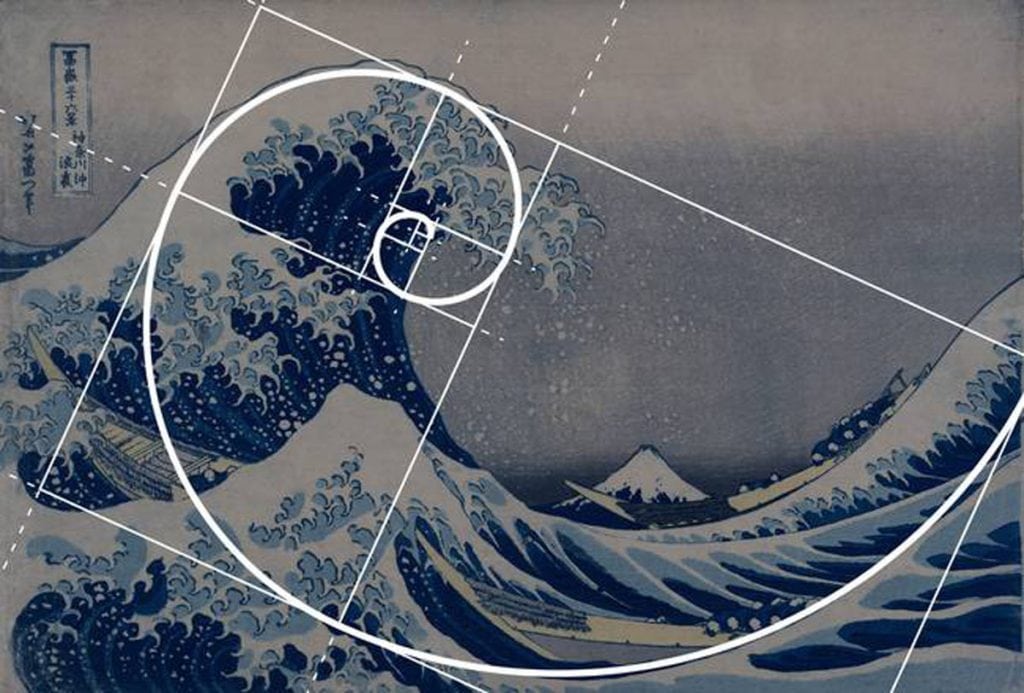
Both graphic design and photography rely on the same compositional principles, including balance, contrast, alignment, and hierarchy. These principles guide how visual elements are arranged to create effective communication (Arnheim, 1974).
Composition improves:
- Visual clarity
- Visual balance
Balanced composition enhances readability.
Composition strengthens visual structure.
Composition enhances communication effectiveness.
Composition improves visual harmony.
Composition enhances perception.
Composition strengthens communication clarity.
Composition improves visual engagement.
Composition enhances aesthetic quality.
Visual Hierarchy and Viewer Attention
Visual hierarchy is essential in both photography and graphic design. It determines how viewers interpret and prioritize visual information (Ware, 2013).
Photographers create hierarchy using:
- Focus
- Depth of field
Graphic designers create hierarchy using:
- Size
- Position
Hierarchy guides viewer attention.
Hierarchy enhances communication clarity.
Hierarchy improves visual organization.
Hierarchy strengthens communication effectiveness.
Hierarchy enhances perception.
Hierarchy improves usability.
Hierarchy strengthens visual structure.
Hierarchy enhances visual communication.
Color and Emotional Communication
Color is a critical element in both photography and graphic design. It influences emotional response and visual perception (Lidwell et al., 2010).
Photography captures natural color relationships.
Graphic design enhances and refines color for communication.
Color enhances emotional engagement.
Color strengthens visual identity.
Color improves communication effectiveness.
Color enhances perception.
Color strengthens visual storytelling.
Color improves visual clarity.
Color enhances viewer connection.
Color strengthens communication impact.
Visual Storytelling Through Photography and Design
Photography captures moments and emotions, while graphic design organizes these elements into narratives. Together, they create powerful visual storytelling (Meggs & Purvis, 2016).
Photography provides narrative content.
Graphic design provides narrative structure.
Storytelling enhances communication effectiveness.
Visual narrative improves viewer engagement.
Storytelling strengthens emotional connection.
Storytelling enhances communication clarity.
Visual storytelling improves memorability.
Narrative enhances perception.
Storytelling strengthens communication impact.
Storytelling enhances visual experience.
Photography in Branding and Identity Design
Photography plays a central role in branding by communicating personality and emotional tone. Graphic designers integrate photography into brand identity systems (Wheeler, 2017).
Photography enhances:
- Brand authenticity
- Emotional connection
Graphic design ensures consistency.
Photography strengthens brand identity.
Design enhances brand recognition.
Photography enhances communication effectiveness.
Design strengthens visual consistency.
Photography enhances emotional engagement.
Design enhances brand clarity.
Photography strengthens visual identity.
Photography in Advertising and Marketing
Photography and graphic design are essential in advertising and marketing. Photographs attract attention, while design organizes and emphasizes key messages (Meggs & Purvis, 2016).
Photography captures attention.
Graphic design guides viewer interpretation.
Advertising effectiveness depends on both disciplines.
Photography enhances emotional impact.
Design strengthens communication clarity.
Photography improves visual engagement.
Design enhances readability.
Photography strengthens visual communication.
Design improves communication effectiveness.
Digital Integration of Photography and Graphic Design
Modern digital tools allow designers to integrate photography seamlessly into visual communication. Software enables image editing, layout design, and visual enhancement (Lupton & Phillips, 2015).
Digital tools enhance:
- Image quality
- Visual consistency
Technology improves visual communication.
Digital tools enhance creative capability.
Technology enhances communication effectiveness.
Digital design improves visual clarity.
Technology enhances visual precision.
Digital integration improves usability.
Technology enhances creative flexibility.
Digital tools strengthen visual communication.
Psychological Impact of Photography in Graphic Design
Photographs enhance emotional connection because the human brain processes images faster than text. Visual imagery improves communication efficiency (Ware, 2013).
Photography enhances:
- Emotional engagement
- Visual memory
Images improve memorability.
Photography strengthens communication effectiveness.
Images enhance viewer connection.
Photography improves perception.
Images enhance cognitive processing.
Photography strengthens visual communication.
Images improve communication clarity.
Photography enhances emotional impact.
Photography and Layout Design
Graphic designers use layout principles to integrate photography effectively into compositions. Layout ensures clarity and organization (Samara, 2007).
Layout enhances:
- Visual balance
- Readability
Layout improves communication clarity.
Layout strengthens visual hierarchy.
Layout enhances usability.
Layout improves visual organization.
Layout strengthens communication effectiveness.
Layout enhances perception.
Layout improves visual clarity.
Layout enhances communication efficiency.
The Role of Editing and Post-Processing
Editing enhances photographic quality and ensures visual consistency with design goals. Designers adjust color, contrast, and composition to improve communication effectiveness (Hunter et al., 2015).
Editing improves visual clarity.
Editing enhances emotional impact.
Editing strengthens visual communication.
Editing improves usability.
Editing enhances aesthetic quality.
Editing strengthens communication effectiveness.
Editing enhances visual consistency.
Editing improves perception.
Conclusion
Graphic design and photography are deeply interconnected disciplines that work together to create effective visual communication. Photography provides visual content that captures reality, emotion, and narrative, while graphic design organizes and enhances that content to communicate specific messages.
Together, they enhance communication clarity, emotional engagement, and visual effectiveness.
Photography captures visual reality.
Graphic design structures visual communication.
Their integration strengthens visual storytelling, branding, and digital communication.
Understanding their connection allows designers and photographers to create more effective and meaningful visual experiences.
Graphic design and photography together form the foundation of modern visual communication.
References
Arnheim, R. (1974). Art and visual perception: A psychology of the creative eye. University of California Press.
Hunter, F., Biver, S., & Fuqua, P. (2015). Light: Science and magic: An introduction to photographic lighting (5th ed.). Routledge.
Lidwell, W., Holden, K., & Butler, J. (2010). Universal principles of design (Rev. ed.). Rockport Publishers.
Lupton, E., & Phillips, J. C. (2015). Graphic design: The new basics (2nd ed.). Princeton Architectural Press.
Meggs, P. B., & Purvis, A. W. (2016). Meggs’ history of graphic design (6th ed.). Wiley.
Samara, T. (2007). Grid systems: Principles of organizing type. Rockport Publishers.
Ware, C. (2013). Information visualization: Perception for design (3rd ed.). Morgan Kaufmann.
Wheeler, A. (2017). Designing brand identity: An essential guide for the whole branding team (5th ed.). Wiley.

Related Posts

This Post Has 0 Comments