
Graphic design and photography are closely interconnected disciplines that work together to create effective visual…

Using Fine Art Techniques in Graphic Design
Graphic design and fine art share a common foundation in visual principles such as composition, color, balance, and form. While fine art is often created for expressive or aesthetic purposes, graphic design focuses on communication and function. However, many of the most effective graphic designs incorporate techniques developed by fine artists over centuries. These techniques enhance visual clarity, emotional impact, and aesthetic quality, making communication more engaging and meaningful. Understanding and applying fine art techniques allows graphic designers to elevate their work beyond functional layouts into visually compelling compositions (Meggs & Purvis, 2016; Lupton & Phillips, 2015).
Fine art provides the creative and technical foundation of graphic design.
Graphic design transforms artistic techniques into visual communication.
Composition: Structuring Visual Communication
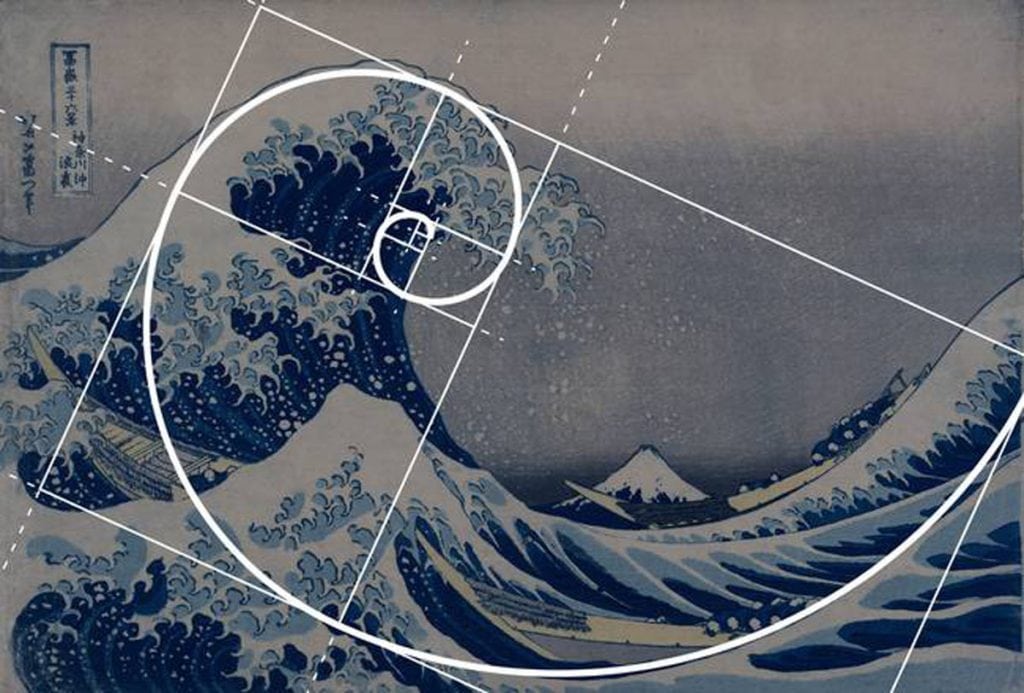
Composition refers to the arrangement of visual elements within a design. Fine artists carefully organize elements to create balance, harmony, and emphasis (Arnheim, 1974).
Graphic designers apply compositional techniques such as:
- Rule of thirds
- Symmetrical and asymmetrical balance
- Focal points
These techniques guide viewer attention.
Composition improves visual clarity.
Composition strengthens visual hierarchy.
Composition enhances communication effectiveness.
Structure improves visual understanding.
Composition enhances aesthetic quality.
Composition strengthens visual organization.
Light and Shadow: Creating Depth and Dimension
Fine artists use light and shadow, known as chiaroscuro, to create depth and realism. This technique enhances three-dimensional perception on flat surfaces (Gombrich, 1995).
Graphic designers use light and shadow through:
- Drop shadows
- Gradients
- Lighting effects
These techniques enhance visual realism.
Light and shadow improve spatial perception.
Depth enhances visual hierarchy.
Shadow strengthens visual distinction.
Lighting improves visual engagement.
Depth enhances communication clarity.
Lighting enhances visual realism.
Color Theory: Emotional and Visual Communication
Fine art established the principles of color theory, including color harmony, contrast, and emotional expression. Artists use color to create mood and meaning (Lidwell et al., 2010).
Graphic designers apply color theory to:
- Create emotional impact
- Establish brand identity
Color enhances visual communication.
Color strengthens emotional engagement.
Color improves visual hierarchy.
Color enhances aesthetic quality.
Color strengthens visual meaning.
Color improves communication effectiveness.
Color enhances visual clarity.
Texture: Enhancing Visual Richness
Texture adds visual depth and realism. Fine artists use texture to simulate surface qualities and enhance sensory experience (Wong, 1993).
Graphic designers use digital textures to:
- Create visual interest
- Enhance realism
Texture enhances visual engagement.
Texture improves aesthetic quality.
Texture strengthens visual depth.
Texture enhances communication effectiveness.
Texture improves visual realism.
Texture strengthens emotional connection.
Texture enhances artistic expression.
Perspective: Creating Spatial Illusion
Perspective is a technique developed during the Renaissance to create the illusion of depth. Artists use perspective to organize spatial relationships (Gombrich, 1995).
Graphic designers apply perspective in:
- Digital illustration
- Layout design
Perspective enhances spatial organization.
Perspective improves visual realism.
Perspective strengthens visual hierarchy.
Perspective enhances depth perception.
Perspective improves communication clarity.
Perspective strengthens visual structure.
Perspective enhances composition.
Visual Balance: Achieving Stability
Fine artists use balance to distribute visual weight evenly within a composition. Balanced designs feel stable and harmonious (Arnheim, 1974).
Graphic designers use balance to:
- Improve readability
- Enhance visual organization
Balance improves visual clarity.
Balance strengthens visual harmony.
Balance enhances communication effectiveness.
Balance improves user experience.
Balance strengthens visual structure.
Balance enhances aesthetic quality.
Balance improves perception.
Emphasis and Focal Points
Fine artists create focal points to guide viewer attention. Emphasis ensures that viewers notice important elements first (Lidwell et al., 2010).
Graphic designers create emphasis using:
- Size differences
- Color contrast
Emphasis improves communication clarity.
Focal points guide viewer attention.
Emphasis enhances visual hierarchy.
Emphasis strengthens communication effectiveness.
Emphasis improves visual organization.
Focal points enhance perception.
Emphasis strengthens visual impact.
Symbolism: Communicating Meaning
Fine art often uses symbolic imagery to communicate ideas and emotional meaning. Symbolism allows artists to convey complex messages visually (Arnheim, 1974).
Graphic designers use symbolism in:
- Logos
- Icons
Symbolism enhances communication efficiency.
Symbols strengthen visual meaning.
Symbolism enhances emotional engagement.
Symbols improve visual recognition.
Symbolism enhances communication clarity.
Symbols strengthen visual identity.
Symbolism enhances visual storytelling.
Contrast: Enhancing Visual Clarity
Fine artists use contrast to distinguish elements and create emphasis. Contrast improves readability and visual interest (Ware, 2013).
Graphic designers use contrast to:
- Improve readability
- Enhance hierarchy
Contrast enhances visual clarity.
Contrast strengthens visual hierarchy.
Contrast improves communication effectiveness.
Contrast enhances aesthetic quality.
Contrast strengthens visual organization.
Contrast improves usability.
Contrast enhances perception.
Gestural Expression and Artistic Style
Fine artists develop unique styles through brushwork, line quality, and expressive techniques. These stylistic elements enhance artistic identity (Gombrich, 1995).
Graphic designers incorporate artistic styles to create distinctive visual identity.
Artistic style enhances originality.
Style strengthens visual identity.
Expressive techniques enhance communication.
Style improves visual engagement.
Artistic expression enhances creativity.
Style strengthens emotional impact.
Style enhances visual storytelling.
Visual Storytelling Through Artistic Techniques
Fine art techniques enhance storytelling by creating emotional and narrative depth. These techniques improve communication effectiveness (Meggs & Purvis, 2016).
Graphic designers use artistic techniques to:
- Create engaging visuals
- Communicate brand stories
Storytelling enhances communication clarity.
Visual narratives improve engagement.
Artistic techniques strengthen storytelling.
Storytelling enhances emotional connection.
Narrative enhances visual meaning.
Storytelling improves communication effectiveness.
Visual storytelling enhances perception.
Fine Art Techniques in Digital Graphic Design
Digital tools allow graphic designers to apply fine art techniques efficiently. Software enables designers to simulate artistic effects digitally (Lupton & Phillips, 2015).
Digital tools enhance:
- Creative flexibility
- Visual experimentation
Technology supports artistic expression.
Digital design enhances creative potential.
Technology enhances artistic execution.
Digital tools strengthen visual creativity.
Technology improves communication effectiveness.
Digital design enhances artistic possibilities.
Technology enhances visual realism.
Conclusion
Fine art techniques provide the foundation for effective graphic design. Techniques such as composition, color theory, perspective, texture, balance, and symbolism enhance visual communication and aesthetic quality.
Graphic designers apply these artistic techniques to create visually compelling and meaningful designs.
Fine art strengthens visual communication.
Artistic techniques enhance emotional and aesthetic impact.
Graphic design transforms artistic principles into functional communication.
Understanding fine art techniques allows designers to create more effective, expressive, and engaging visual designs.
Fine art and graphic design are deeply interconnected.
Artistic knowledge strengthens design excellence.
References
Arnheim, R. (1974). Art and visual perception: A psychology of the creative eye. University of California Press.
Gombrich, E. H. (1995). The story of art (16th ed.). Phaidon Press.
Lidwell, W., Holden, K., & Butler, J. (2010). Universal principles of design (Rev. ed.). Rockport Publishers.
Lupton, E., & Phillips, J. C. (2015). Graphic design: The new basics (2nd ed.). Princeton Architectural Press.
Meggs, P. B., & Purvis, A. W. (2016). Meggs’ history of graphic design (6th ed.). Wiley.
Ware, C. (2013). Information visualization: Perception for design (3rd ed.). Morgan Kaufmann.
Wong, W. (1993). Principles of form and design. John Wiley & Sons.

Related Posts
This Post Has 0 Comments