
In digital design, visual experiences are created on flat screens, yet effective designs often appear…
The Illusion of Reality: Why Digital Photographs Are Never Purely Real
Introduction
Digital photography is often perceived as an objective medium—a mechanical reproduction of the world “as it is.” Yet, from photon capture to final display, every digital image is shaped by technical decisions embedded in hardware, software, and human intervention. What appears natural is, in fact, a computational interpretation of reality. This article examines how digital photographs are inherently constructed artifacts, shaped by sensor limitations, algorithmic processing, color science, compression systems, and post-production workflows.
1. The Sensor Does Not See Like the Human Eye
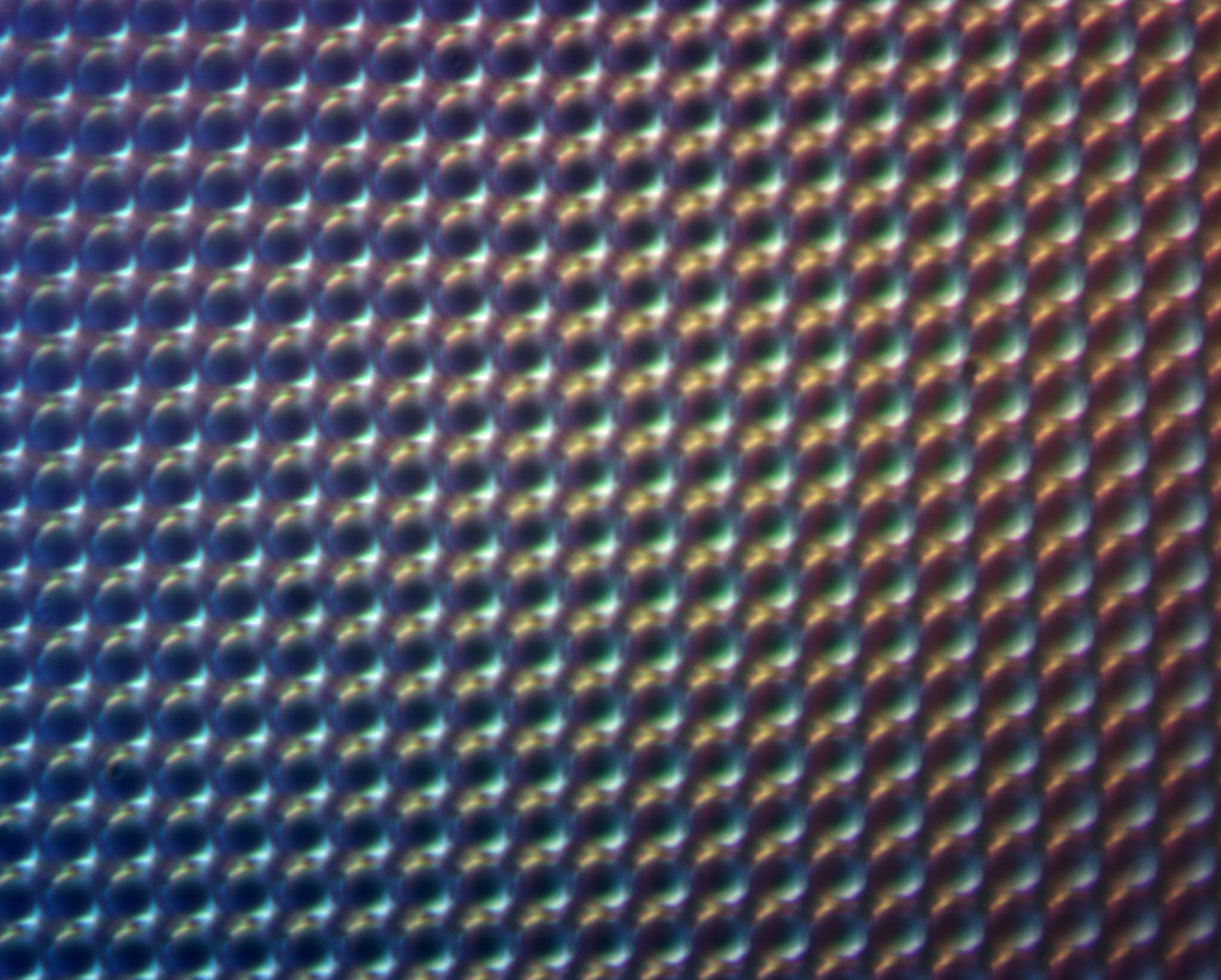
At the foundation of digital imaging is the image sensor, typically a CMOS or CCD device. Unlike the human visual system, which dynamically adapts across a vast range of luminance conditions, digital sensors have limited dynamic range. They record light intensity as discrete numerical values, bounded by bit depth and signal-to-noise constraints (Holst & Lomheim, 2011).
Moreover, most sensors rely on a Bayer color filter array, meaning each photosite captures only one primary color (red, green, or blue). The final image is reconstructed through a process called demosaicing, where missing color information is algorithmically interpolated (Lukac & Plataniotis, 2007). Thus, the image is not a direct capture of full-color reality but a computational estimation.
Even before editing begins, the photograph is already an interpretation.
2. Dynamic Range and Tonal Compression

The human eye can perceive approximately 20 stops of dynamic range in adaptive conditions, while most camera sensors capture significantly less (Reinhard et al., 2010). To compensate, cameras apply tone mapping curves, highlight roll-offs, and shadow lifting algorithms. These transformations compress luminance information into formats suitable for JPEG or display standards such as sRGB.
This process modifies how light intensity is represented. Highlights may be clipped, shadows crushed, or midtones shifted—all technical compromises that alter perceived realism.
High Dynamic Range (HDR) imaging further illustrates this point: multiple exposures are merged and tone-mapped, creating images that may appear “hyper-real,” yet diverge from human visual perception (Reinhard et al., 2010).
3. Color Science and White Balance
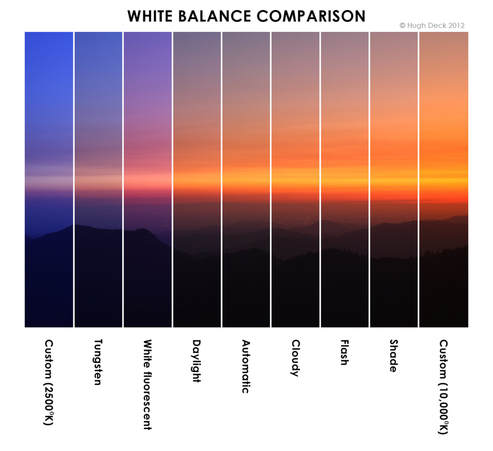

Color in digital photography is not absolute—it is constructed through color profiling systems and white balance algorithms. Cameras translate sensor data into standardized color spaces (e.g., sRGB, Adobe RGB) using proprietary color science models (Fraser, Murphy, & Bunting, 2015).
White balance estimation attempts to correct for lighting temperature (e.g., tungsten vs. daylight). However, automated white balance relies on scene assumptions and statistical inference, which may shift color rendition dramatically. Skin tones, foliage, and sky hues can appear warmer or cooler depending on algorithmic interpretation.
Thus, what we perceive as “natural color” is a calibrated output, not an inherent truth.
4. Compression and Data Loss

When saving images in JPEG format, lossy compression algorithms reduce file size by discarding visual information deemed perceptually insignificant (Wallace, 1992). While efficient, this introduces artifacts—blocking, banding, and loss of fine texture.
Even RAW files, though less processed, are subject to sensor noise reduction, black-level correction, and firmware-based preprocessing. Therefore, digital photography is never a pure transcription of photons but a managed data system constrained by storage and computational efficiency.
5. Post-Processing and Algorithmic Enhancement
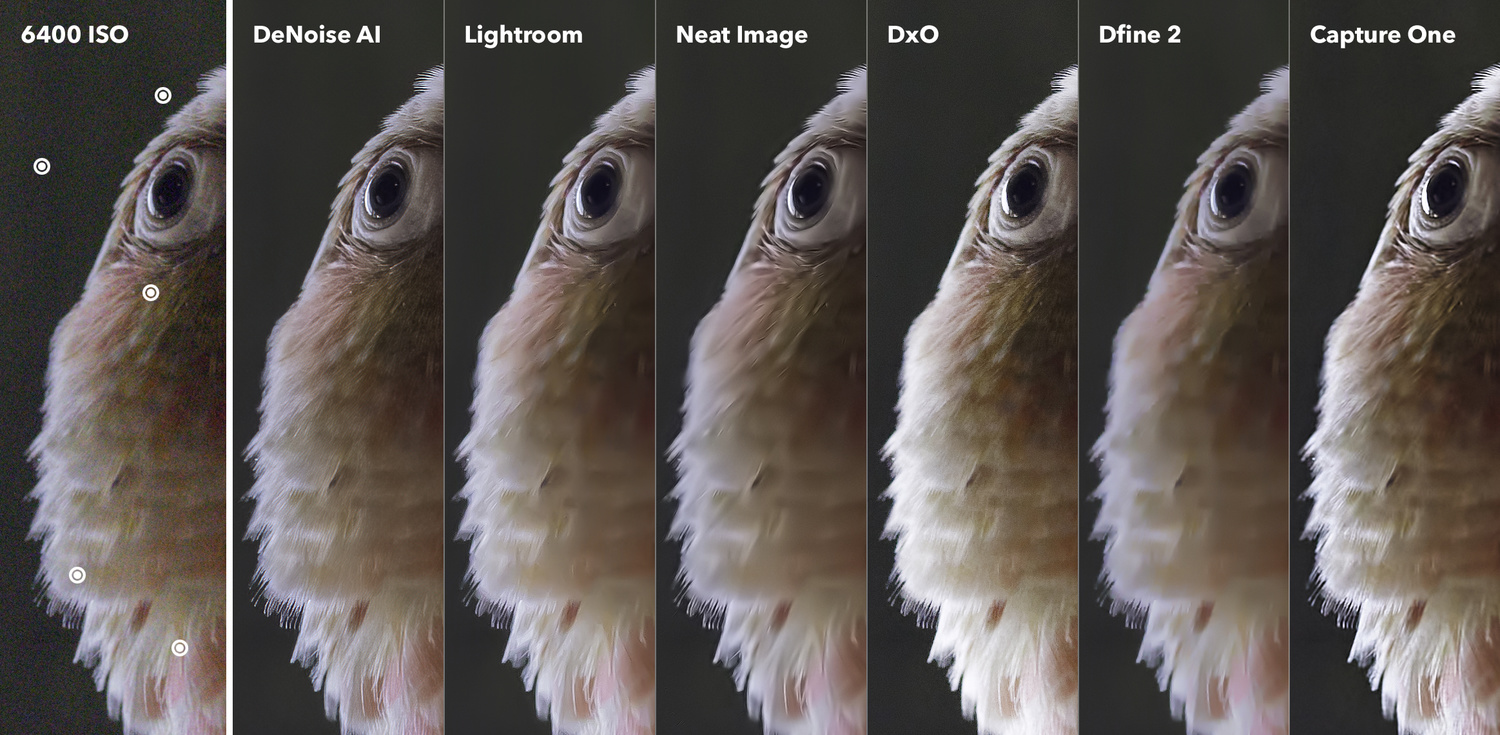
Modern editing software applies sharpening kernels, noise reduction filters, clarity adjustments, and color grading. Increasingly, AI-driven tools perform skin smoothing, background replacement, generative fill, and automated retouching.
Sharpening exaggerates edge contrast; noise reduction removes high-frequency data; smoothing algorithms alter skin texture. Each of these processes changes micro-details that contribute to perceived authenticity (Gonzalez & Woods, 2018).
In computational photography—such as smartphone imaging—multiple frames are blended, faces enhanced, and skies replaced automatically. The final image may look realistic, yet it represents a composite reconstruction rather than a single optical event.
6. Display Technology and Perceptual Variability
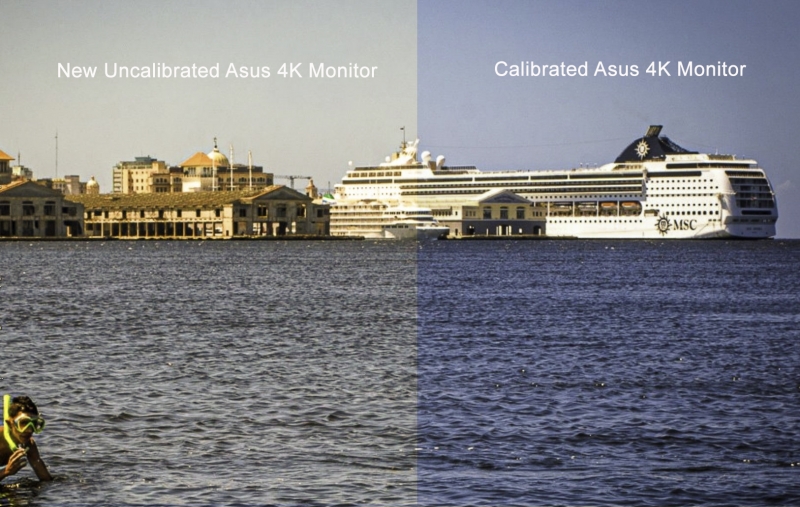
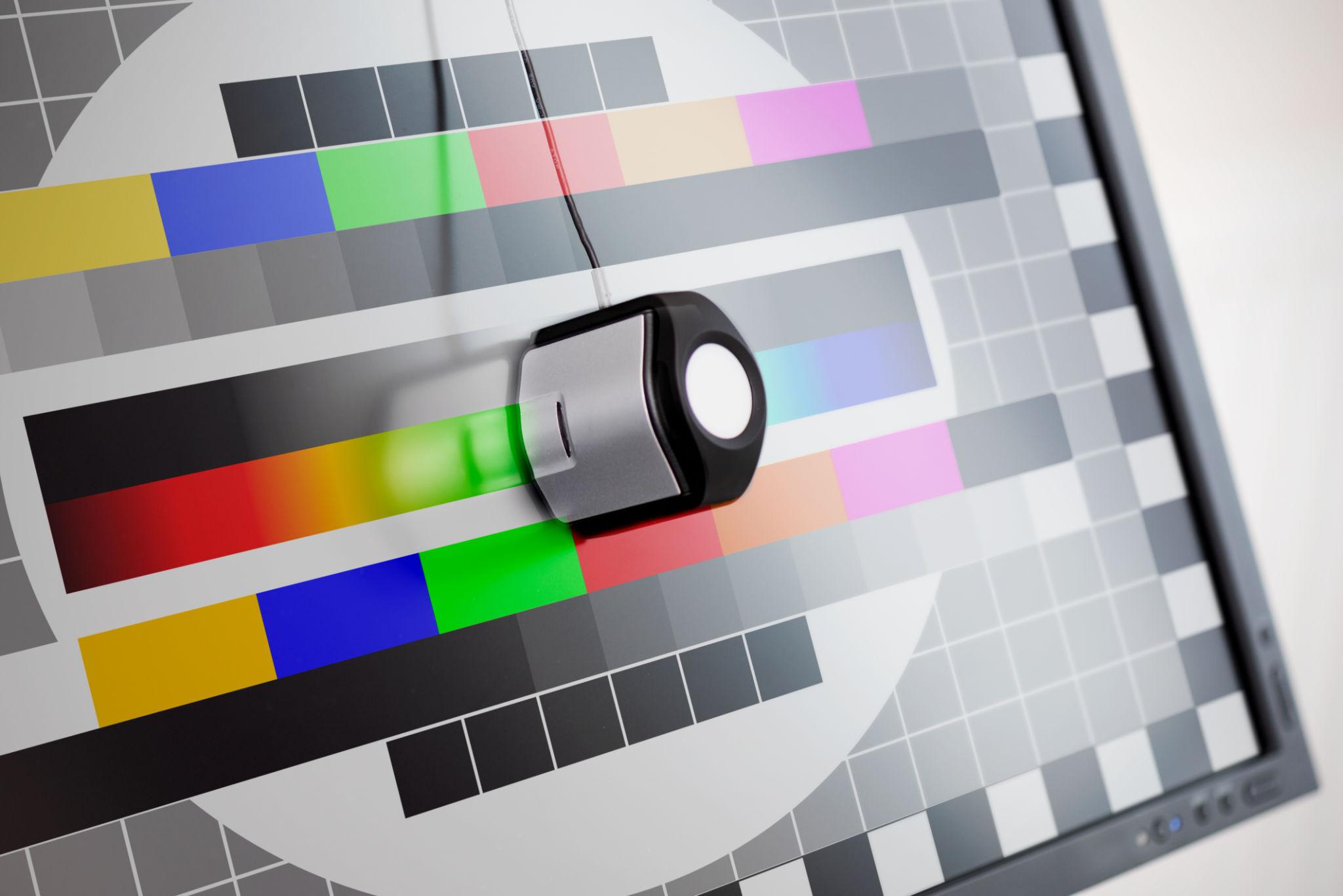
Even after editing, image perception depends on display calibration. Variations in monitor brightness, gamma curves, color temperature, and ambient lighting affect how images are interpreted (Fraser et al., 2015).
A photograph viewed on a calibrated monitor differs significantly from the same image on a mobile device with oversaturated color profiles. Reality becomes contingent on viewing conditions.
7. The Philosophical Dimension of Digital Realism

Photography has long been associated with indexical truth—the idea that a photograph bears a physical trace of what once existed (Sontag, 1977). However, digital photography complicates this ontology. Instead of a chemical imprint, we have binary encoding processed through layers of algorithmic mediation.
The image remains referential but is technologically negotiated. It reflects not only the scene but also the camera’s firmware, the editing software’s architecture, compression standards, and display systems.
Digital images are therefore best understood as interpretive representations shaped by technical infrastructures, not neutral reproductions of reality.
Conclusion

Digital photographs are not false—but they are not purely real either. From sensor capture to algorithmic processing, color rendering, compression, and display calibration, every stage modifies the original scene. Technical considerations introduce constraints and transformations that reshape light into data, and data into visual experience.
Understanding these processes does not diminish photography’s value. Rather, it deepens our appreciation of the medium as a sophisticated synthesis of optics, electronics, mathematics, and aesthetics. What we see in a digital photograph is not simply reality—it is reality translated through technology.
References
Fraser, B., Murphy, C., & Bunting, F. (2015). Real world color management (2nd ed.). Peachpit Press.
Gonzalez, R. C., & Woods, R. E. (2018). Digital image processing (4th ed.). Pearson.
Holst, G. C., & Lomheim, T. S. (2011). CMOS/CCD sensors and camera systems (2nd ed.). SPIE Press.
Lukac, R., & Plataniotis, K. N. (2007). Color filter arrays: Design and performance analysis. CRC Press.
Reinhard, E., Ward, G., Pattanaik, S., & Debevec, P. (2010). High dynamic range imaging: Acquisition, display, and image-based lighting (2nd ed.). Morgan Kaufmann.
Sontag, S. (1977). On photography. Farrar, Straus and Giroux.
Wallace, G. K. (1992). The JPEG still picture compression standard. Communications of the ACM, 34(4), 30–44.*

Related Posts

This Post Has 0 Comments