
In visual communication, poor design is rarely caused by a lack of tools or software.…
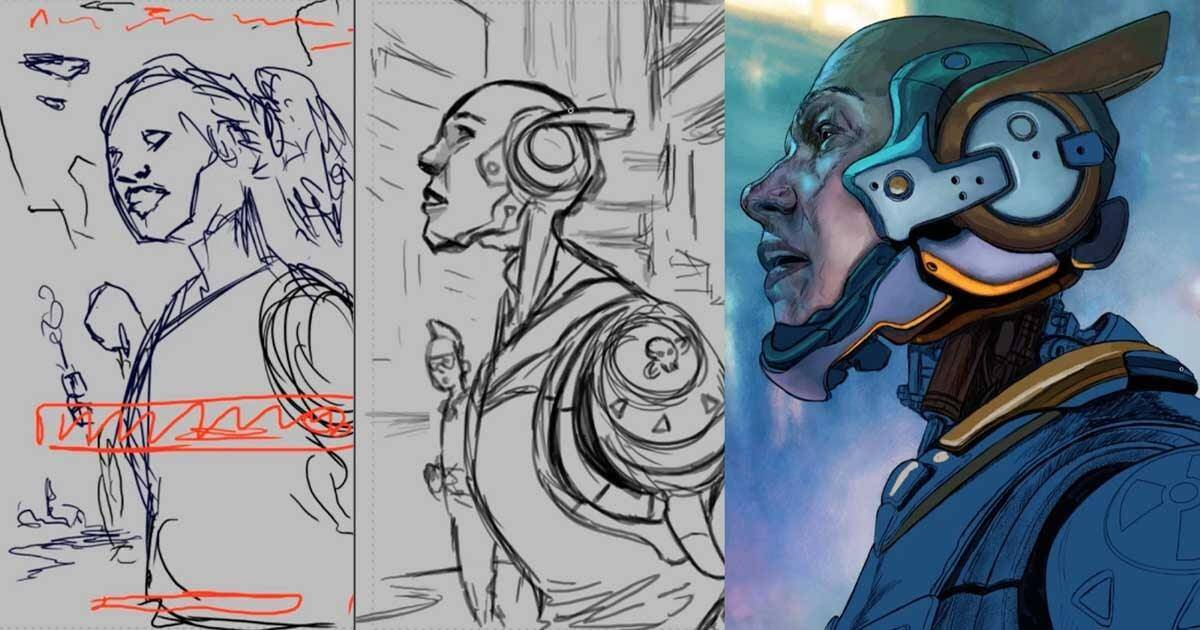
From Sketch to Screen: The Design Process Explained
Behind every polished logo, layout, interface, or visual identity lies a structured creative journey. This journey—often summarized as “from sketch to screen”—is the design process that transforms ideas into functional, visually compelling solutions. For visual artists, graphic designers, and design enthusiasts, understanding this process is essential for producing work that is both creative and effective.
Design is not a single moment of inspiration; it is an iterative problem-solving system that balances creativity, strategy, and execution (Norman, 2013).
Understanding the Design Process
The design process is a sequence of stages that guide a project from concept to completion. While the steps may vary depending on discipline or medium, the core structure remains consistent: research, ideation, prototyping, refinement, and delivery (Lidwell, Holden, & Butler, 2010).
This process ensures that design decisions are informed, intentional, and aligned with purpose rather than guesswork.
Stage 1: Research and Problem Definition
Every design begins with understanding the problem. This stage focuses on gathering information about:
- Objectives and constraints
- Target audience and user needs
- Context, competition, and environment
Design research reduces uncertainty and helps define clear goals. According to design theory, effective solutions emerge when designers deeply understand the users and the conditions in which the design will operate (Norman, 2013).
Stage 2: Ideation and Concept Development
Once the problem is defined, designers generate ideas. Ideation involves brainstorming, mind mapping, and visual exploration without immediate concern for perfection.
Sketching plays a critical role here. Low-fidelity sketches allow designers to explore multiple concepts quickly, encouraging creativity while minimizing risk (Buxton, 2007). At this stage, quantity matters more than polish.
Stage 3: Sketching and Visual Exploration
Sketching translates abstract ideas into visual form. These sketches may include:
- Thumbnail drawings
- Rough layout compositions
- Visual metaphors and symbols
Sketches are intentionally loose. Their purpose is to think visually, test arrangements, and identify potential problems early in the process (Buxton, 2007). This stage bridges imagination and structure.
Stage 4: Wireframing and Structure
In digital design, sketches evolve into wireframes. Wireframes establish:
- Layout structure
- Content hierarchy
- User flow and interaction patterns
Wireframing removes aesthetic distractions, allowing designers to focus on functionality and clarity. Research shows that clear structural planning significantly improves usability and comprehension (Ware, 2013).
Stage 5: Digital Design and Mockups
At this stage, designs move fully to the screen. Designers apply:
- Color systems
- Typography
- Visual styles and branding elements
High-fidelity mockups represent how the final design will look and feel. These visuals help stakeholders evaluate design decisions and ensure alignment with goals (Lidwell et al., 2010).
Stage 6: Feedback, Testing, and Iteration
Design is iterative. Feedback from users, clients, or peers reveals strengths and weaknesses. Usability testing, A/B testing, and critique sessions guide refinement.
Iteration improves effectiveness by aligning design with real-world use rather than assumptions (Norman, 2013). Rarely does the first version become the final one.
Stage 7: Finalization and Delivery
The final stage prepares the design for deployment or production. This includes:
- File optimization and formatting
- Asset export for print or digital use
- Documentation and handoff
Attention to technical details ensures that design intent is preserved across platforms and outputs.
Why the Process Matters
Following a structured design process:
- Reduces errors and rework
- Improves communication with stakeholders
- Enhances creativity through clarity
- Produces more consistent and effective results
The process transforms design from decoration into intentional visual problem-solving (Lidwell et al., 2010).
Conclusion
From sketch to screen, the design process is a disciplined journey that balances imagination with structure. It allows designers to explore ideas freely, test solutions thoughtfully, and deliver visuals that communicate with clarity and purpose.
Great design does not happen by accident—it happens through a process that respects both creativity and reason.
References (APA 7th Edition)
Buxton, B. (2007). Sketching user experiences: Getting the design right and the right design. Morgan Kaufmann.
Lidwell, W., Holden, K., & Butler, J. (2010). Universal principles of design (2nd ed.). Rockport Publishers.
Norman, D. A. (2013). The design of everyday things (Revised and expanded ed.). Basic Books.
Ware, C. (2013). Information visualization: Perception for design (3rd ed.). Morgan Kaufmann.

Related Posts

This Post Has 0 Comments