
Graphic design and photography are closely interconnected disciplines that work together to create effective visual…

How Classical Art Influences Modern Design
Modern graphic design, despite its digital tools and contemporary applications, is deeply rooted in the traditions of classical art. Long before the invention of computers, classical artists established foundational principles of composition, proportion, balance, and visual harmony that continue to shape modern design practices. These principles guide how designers organize visual elements, communicate messages, and create aesthetically effective compositions (Arnheim, 1974; Meggs & Purvis, 2016).
Classical art provides the theoretical and visual framework upon which modern design is built. Understanding this influence allows graphic designers to create work that is not only visually appealing but also structurally sound and psychologically effective.
Classical Art as the Foundation of Visual Principles
Classical art, particularly from ancient Greece and the Renaissance, emphasized harmony, proportion, and balance. Artists studied mathematics, geometry, and human anatomy to achieve visual perfection (Gombrich, 1995).
These artists developed principles such as:
- Symmetry
- Proportion
- Perspective
- Balance
- Composition
These same principles are fundamental in modern graphic design (Lupton & Phillips, 2015).
Designers use these classical principles to create organized, readable, and visually pleasing compositions.
Classical art established the rules of visual order.
Proportion and the Golden Ratio in Design
One of the most influential contributions of classical art is the use of mathematical proportion, particularly the Golden Ratio, approximately equal to 1:1.618. This ratio was used by classical artists and architects to create harmonious compositions (Livio, 2002).
The Golden Ratio appears in:
- Greek architecture
- Renaissance paintings
- Sculpture
- Modern logos and layouts
Designers use proportional systems to create balance and visual harmony.
The Golden Ratio helps guide:
- Layout structure
- Element sizing
- Spatial relationships
These proportional relationships improve aesthetic quality and visual coherence (Meggs & Purvis, 2016).
Perspective and the Illusion of Depth
Classical artists developed linear perspective to create the illusion of three-dimensional space on flat surfaces. This technique uses converging lines and vanishing points to simulate depth (Gombrich, 1995).
Modern design uses perspective in:
- Digital illustration
- User interface design
- Motion graphics
- 3D rendering
Perspective improves realism and spatial understanding.
Designers use perspective to guide viewer perception and attention (Ware, 2013).
Perspective connects classical artistic techniques with modern visual communication.
Composition and Visual Balance
Classical art established rules of composition that guide how visual elements are arranged within a frame. Balanced compositions feel stable, organized, and visually pleasing (Arnheim, 1974).
Modern designers use composition techniques derived from classical art, including:
- Symmetrical balance
- Asymmetrical balance
- Focal points
- Visual hierarchy
These compositional strategies improve clarity and communication effectiveness (Lidwell et al., 2010).
Composition organizes visual information logically.
Designers use composition to guide viewer attention.
Light, Shadow, and Visual Realism
Classical artists mastered the use of light and shadow, known as chiaroscuro, to create depth and realism. This technique uses contrast between light and dark areas to create three-dimensional form (Gombrich, 1995).
Modern design applies similar techniques using:
- Gradients
- Shadows
- Lighting effects
- Contrast
These techniques enhance visual realism and depth in digital design (Ware, 2013).
Light and shadow help viewers perceive form and spatial relationships.
Human-Centered Design and Classical Humanism
Classical art emphasized human-centered representation, focusing on human anatomy, proportion, and perception. Artists studied the human body to understand natural form and movement (Arnheim, 1974).
Modern design similarly focuses on human perception and usability.
Designers consider:
- Readability
- Visual perception
- User interaction
- Cognitive processing
Human-centered design ensures that visual communication is effective and accessible (Norman, 2013).
Classical humanism continues to influence modern user-centered design.
Typography and Classical Letterforms
Modern typography is strongly influenced by classical Roman letterforms. Roman inscriptions established typographic standards based on geometric proportion and visual balance (Meggs & Purvis, 2016).
Serif typefaces, such as Times New Roman, are derived from classical Roman typography.
These letterforms are designed for readability, clarity, and aesthetic balance (Bringhurst, 2013).
Classical typography established the visual structure of modern text design.
Typography remains both functional and artistic.
Classical Art and Visual Hierarchy
Classical artists used visual hierarchy to guide viewer attention. They emphasized important elements through size, placement, and contrast (Arnheim, 1974).
Modern designers apply visual hierarchy using:
- Size differences
- Color contrast
- Positioning
- Typography
Hierarchy improves communication efficiency and readability (Ware, 2013).
Designers use hierarchy to control visual flow.
This principle originated in classical art.
Symbolism and Visual Communication
Classical art often used symbols to communicate meaning. These symbols conveyed religious, political, and cultural messages (Gombrich, 1995).
Modern design also relies on visual symbols, including:
- Icons
- Logos
- Interface symbols
Symbols allow designers to communicate quickly and effectively.
Symbolism connects visual art with communication design.
Visual symbols transcend language barriers.
Classical Influence on Modern Branding and Identity
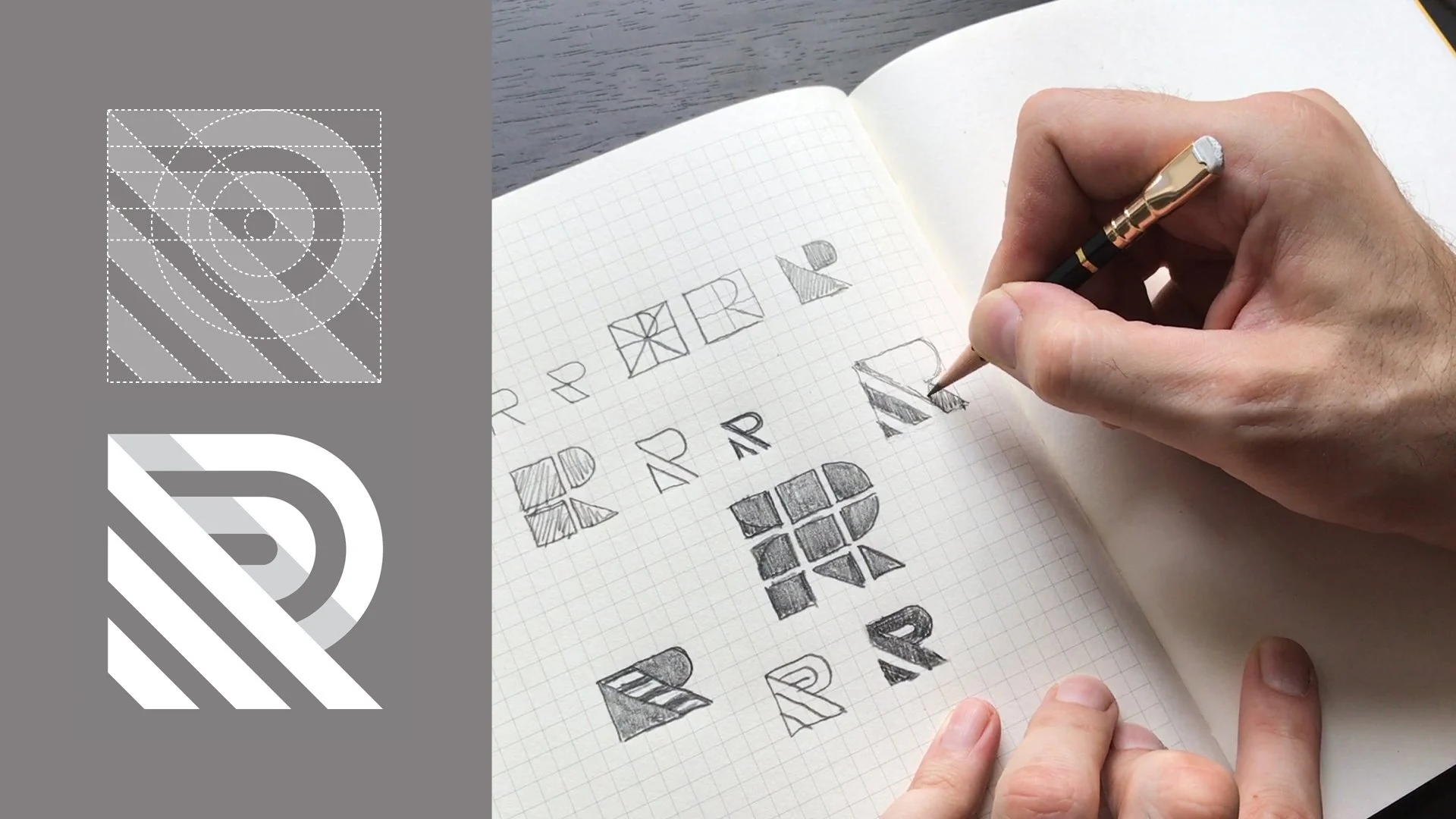
Modern branding uses classical principles of balance, proportion, and visual harmony to create recognizable and effective identities (Lupton & Phillips, 2015).
Logos, layouts, and typography often reflect classical design principles.
These principles improve clarity, professionalism, and visual appeal.
Classical influence enhances modern brand design.
Designers continue to use timeless visual principles.
Classical Art and Aesthetic Judgment
Classical art established standards of beauty based on proportion, harmony, and balance. These standards influence modern aesthetic judgment (Arnheim, 1974).
Viewers naturally respond positively to balanced and harmonious compositions.
These preferences are rooted in human visual perception.
Designers use classical principles to create aesthetically pleasing designs.
Classical art continues to shape visual standards.
Conclusion
Classical art has profoundly influenced modern graphic design. Its principles of proportion, composition, perspective, balance, and visual harmony form the foundation of contemporary visual communication.
Modern design tools may be digital, but the underlying visual principles remain classical.
Classical art provides designers with a framework for creating clarity, realism, and aesthetic harmony.
Understanding classical art allows designers to create work that is not only visually appealing but also structurally effective and meaningful.
Modern design is not separate from classical art—it is its continuation.
The past continues to shape the visual language of the present.
References
Arnheim, R. (1974). Art and visual perception: A psychology of the creative eye. University of California Press.
Bringhurst, R. (2013). The elements of typographic style (4th ed.). Hartley & Marks.
Gombrich, E. H. (1995). The story of art (16th ed.). Phaidon Press.
Lidwell, W., Holden, K., & Butler, J. (2010). Universal principles of design (Rev. ed.). Rockport Publishers.
Livio, M. (2002). The golden ratio: The story of phi, the world’s most astonishing number. Broadway Books.
Lupton, E., & Phillips, J. C. (2015). Graphic design: The new basics (2nd ed.). Princeton Architectural Press.
Meggs, P. B., & Purvis, A. W. (2016). Meggs’ history of graphic design (6th ed.). Wiley.
Norman, D. A. (2013). The design of everyday things (Revised and expanded ed.). Basic Books.
Ware, C. (2013). Information visualization: Perception for design (3rd ed.). Morgan Kaufmann.

Related Posts


This Post Has 0 Comments