
Graphic design and photography are closely interconnected disciplines that work together to create effective visual…
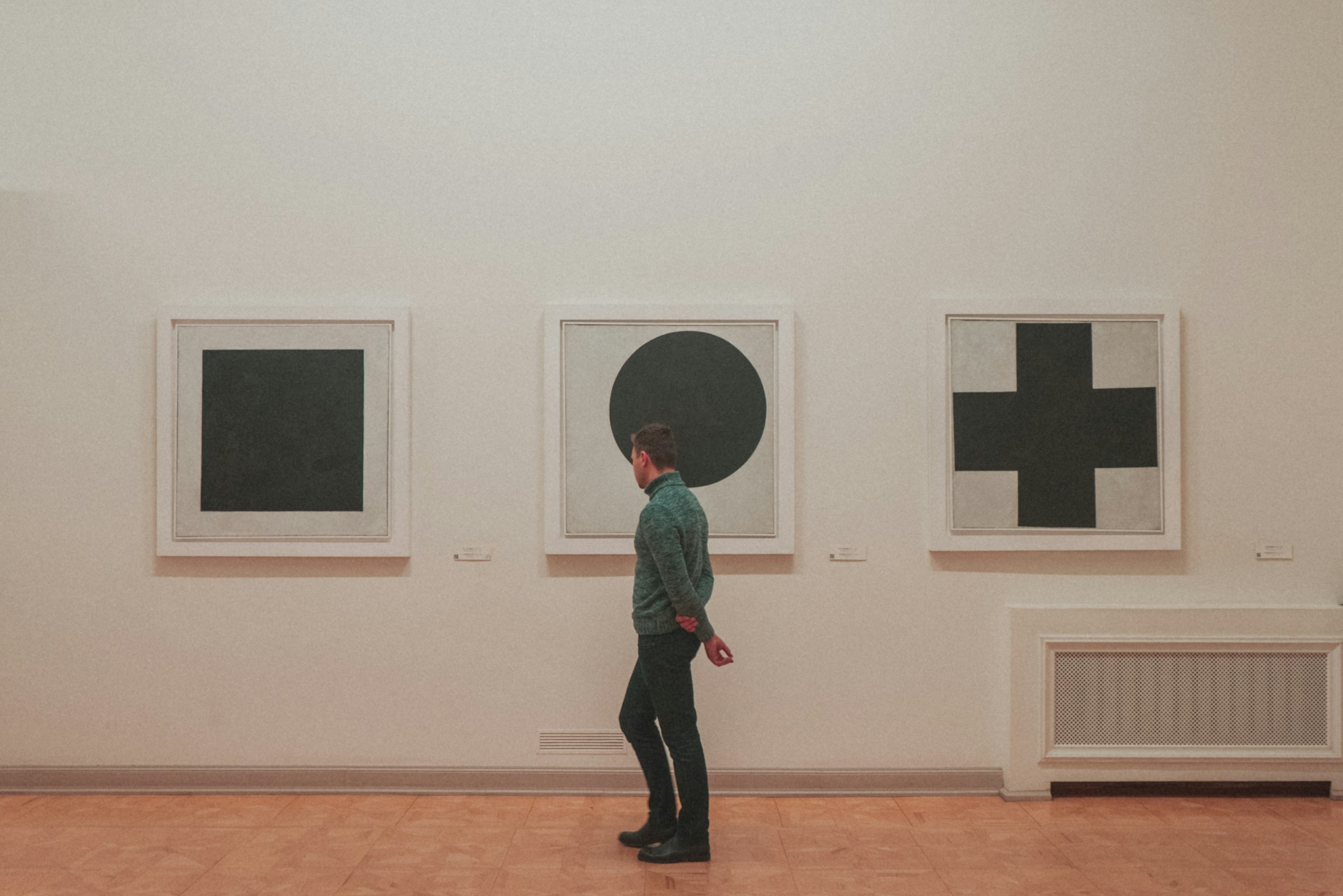
Art vs. Design: Where Creativity Meets Function
In visual culture, the terms art and design are often used interchangeably. Both involve creativity, visual elements, and aesthetic decisions. However, while art and design share common foundations, they differ significantly in purpose, intent, and function. Understanding the distinction between art and design is essential for visual graphic designers, as it clarifies the role of creativity not only as expression but also as a tool for communication and problem-solving (Lupton & Phillips, 2015).
Art is primarily concerned with expression and interpretation, while design is fundamentally concerned with communication and functionality. Where art invites personal interpretation, design directs perception toward a specific goal (Ambrose & Harris, 2011).
The Nature of Art: Expression Without Constraint
Art is a form of visual expression that reflects the ideas, emotions, and perspectives of the artist. It does not require a practical function or external objective. Instead, art exists to explore meaning, provoke thought, and evoke emotional response (Arnheim, 1974).
Artists use visual elements such as line, color, form, and texture to express internal experiences or abstract concepts. The interpretation of art is open-ended; different viewers may derive different meanings from the same work (Berger, 1972).
The primary purpose of art includes:
- Personal expression
- Emotional communication
- Cultural reflection
- Intellectual exploration
Art does not need to solve a problem. Its value often lies in its ability to inspire, challenge, or move the viewer emotionally.
For example, a painting may exist purely to explore color relationships or emotional states, without needing to convey a specific message or function.
The Nature of Design: Purposeful Visual Communication
Design, in contrast, is inherently goal-oriented. It is the process of creating visual solutions to communicate messages, guide behavior, or solve specific problems (Norman, 2013).
Graphic design, in particular, serves practical functions such as:
- Communicating information
- Promoting products or services
- Guiding user interaction
- Enhancing usability
Unlike art, design must consider the needs of an audience. A designer’s success is measured not only by aesthetic quality but by effectiveness in communication (Lidwell et al., 2010).
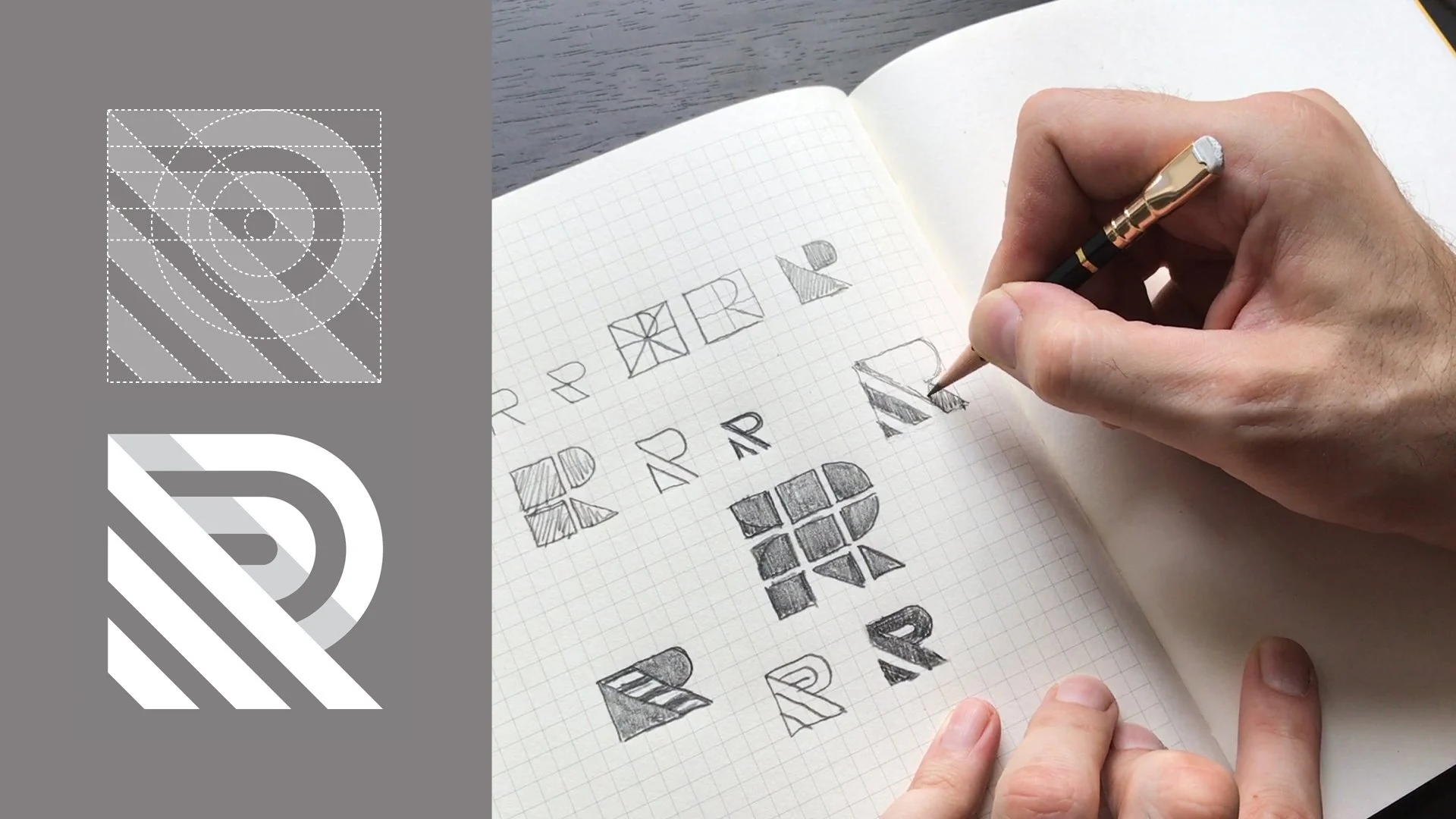
For example, a logo is not created solely for visual beauty. Its purpose is to represent identity, ensure recognition, and communicate brand values clearly and efficiently.
Design balances creativity with clarity and usability.
Intent: Expression vs. Communication
The key distinction between art and design lies in intent.
Art expresses the vision of the creator. Design communicates with an audience (Ambrose & Harris, 2011).
Art asks questions. Design provides answers.
An artwork may be ambiguous, encouraging interpretation. A design must reduce ambiguity to ensure clear understanding.
For example:
- A painting may intentionally confuse or challenge perception.
- A road sign must communicate instantly and without confusion.
This difference reflects the fundamental role of design as functional communication.
Function: Optional in Art, Essential in Design
Function is optional in art but essential in design.
Design must perform a task. It must inform, persuade, identify, or guide behavior (Norman, 2013).
Examples of functional design include:
- User interfaces that guide interaction
- Posters that communicate information
- Layouts that improve readability
- Packaging that identifies and protects products
If design fails to communicate clearly, it fails its purpose.
Art, however, can succeed purely through emotional or conceptual impact, even without functional utility (Arnheim, 1974).
Audience: Personal vs. User-Centered
Art is often creator-centered. Design is user-centered.
Artists create primarily from internal motivation, while designers create with the audience’s needs, perception, and behavior in mind (Lupton & Phillips, 2015).
Designers must consider:
- Readability
- Accessibility
- Cultural interpretation
- Usability
User-centered design ensures that visual communication is effective and inclusive (Norman, 2013).
This focus on the audience distinguishes design as a discipline rooted in communication psychology.
Structure: Freedom vs. Constraints
Art operates with fewer constraints. Design operates within defined limitations.
Designers must work within constraints such as:
- Client requirements
- Brand identity guidelines
- Technical limitations
- Functional objectives
These constraints do not limit creativity. Instead, they shape creative solutions (Ambrose & Harris, 2011).
In fact, constraints often enhance innovation by focusing creativity toward problem-solving.
Where Art and Design Overlap
Despite their differences, art and design share fundamental principles, including:
- Elements of design (line, color, shape, space, form, texture, value)
- Principles of design (balance, contrast, emphasis, unity, proportion)
- Visual composition and aesthetics
Both art and design rely on visual literacy and perceptual psychology (Ware, 2013).
Graphic designers often draw inspiration from artistic techniques to enhance visual impact, while artists may incorporate design principles to strengthen visual structure.
Modern disciplines such as graphic design, illustration, digital art, and motion graphics exist at the intersection of art and design.
Design as Functional Creativity
Design can be understood as functional creativity.
It combines:
- Artistic creativity
- Psychological understanding
- Technical skill
- Communication strategy
Design transforms artistic expression into purposeful communication (Lidwell et al., 2010).
A successful design is not only visually appealing but also effective in achieving its intended goal.
The Designer as Both Artist and Problem-Solver
Graphic designers operate at the intersection of artistic expression and practical function.
They must balance:
- Creativity and clarity
- Expression and communication
- Beauty and usability
Designers use artistic skills not merely to create beauty, but to enhance communication effectiveness (Norman, 2013).
This dual role makes design both an artistic and analytical discipline.
Conclusion
Art and design share a common visual language but differ fundamentally in purpose. Art prioritizes expression, interpretation, and emotional exploration. Design prioritizes communication, function, and problem-solving.
Art invites viewers to interpret meaning. Design ensures viewers understand meaning.
Where art explores possibilities, design delivers solutions.
For visual graphic designers, understanding this distinction is essential. It allows creativity to be applied not only as expression but as a precise tool for communication.
Design is where creativity meets function—where artistic vision becomes purposeful visual communication.
References
Ambrose, G., & Harris, P. (2011). The fundamentals of graphic design (2nd ed.). Bloomsbury Publishing.
Arnheim, R. (1974). Art and visual perception: A psychology of the creative eye. University of California Press.
Berger, J. (1972). Ways of seeing. Penguin Books.
Lidwell, W., Holden, K., & Butler, J. (2010). Universal principles of design (Rev. ed.). Rockport Publishers.
Lupton, E., & Phillips, J. C. (2015). Graphic design: The new basics (2nd ed.). Princeton Architectural Press.
Norman, D. A. (2013). The design of everyday things (Revised and expanded ed.). Basic Books.
Ware, C. (2013). Information visualization: Perception for design (3rd ed.). Morgan Kaufmann.

Related Posts

This Post Has 0 Comments