
Graphic design and photography are closely interconnected disciplines that work together to create effective visual…
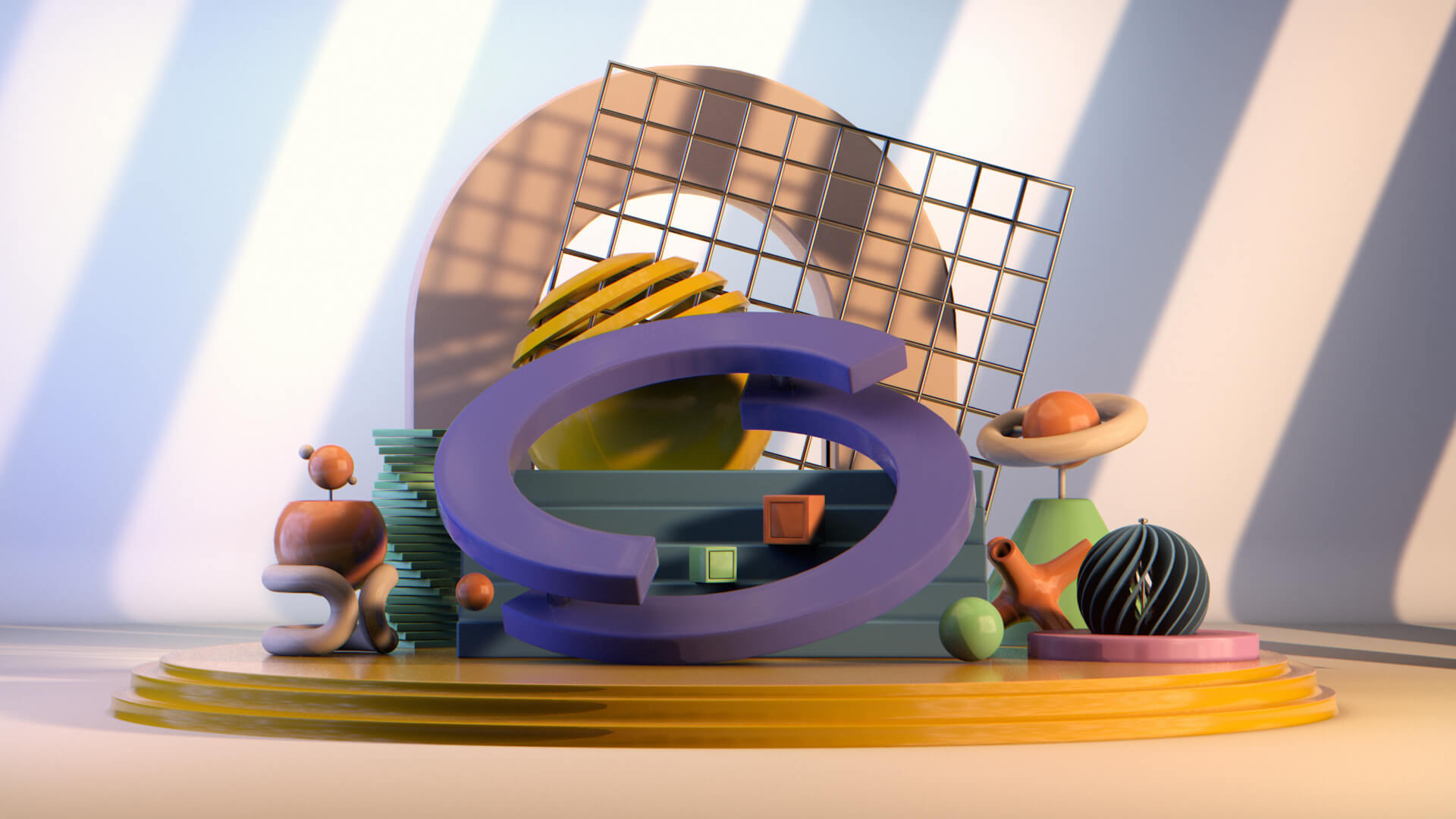
Motion Graphics as a Visual Art Form
Motion graphics represent one of the most dynamic and evolving forms of visual art in the digital age. By combining graphic design, animation, typography, and time-based visual storytelling, motion graphics extend traditional visual arts into the dimension of movement. Unlike static visual design, motion graphics communicate meaning through both visual form and temporal change, allowing designers to guide attention, create emotional impact, and enhance communication effectiveness. Motion graphics have become essential in film, advertising, digital interfaces, and multimedia communication (Meggs & Purvis, 2016; Krasner, 2013).
Motion graphics transform visual design from static composition into visual experience.
Defining Motion Graphics in Visual Arts
Motion graphics refer to graphic elements—such as shapes, text, images, and symbols—that move over time. These elements are animated to communicate ideas, information, or narratives visually (Krasner, 2013).
Motion graphics combine:
- Graphic design principles
- Animation techniques
- Visual storytelling
This integration transforms static design into dynamic communication.
Motion graphics are both artistic and functional.
Movement enhances visual communication.
Motion introduces time as a design element.
The Elements of Design in Motion
Motion graphics rely on the same visual elements as traditional graphic design, including line, shape, color, texture, space, and typography. However, motion adds an additional dimension that influences perception and interpretation (Lupton & Phillips, 2015).
Movement affects:
- Visual hierarchy
- Viewer attention
- Emotional impact
Motion guides how viewers experience visual information.
Design becomes temporal.
Movement enhances visual structure.
Time becomes part of composition.
Motion as a Tool for Visual Communication
Motion improves communication by guiding viewer attention and emphasizing important information. Movement naturally attracts human attention because the human visual system is sensitive to changes in the environment (Ware, 2013).
Motion helps designers:
- Highlight key information
- Guide viewer focus
- Improve comprehension
Motion enhances clarity and communication effectiveness.
Movement directs perception.
Motion strengthens visual emphasis.
Attention follows movement.
Motion Graphics and Visual Storytelling
Motion graphics allow designers to create visual narratives. Movement can represent processes, sequences, and transformations over time (Krasner, 2013).
Motion graphics support storytelling through:
- Sequential visual progression
- Animated transitions
- Visual transformation
These techniques improve narrative clarity.
Motion enhances storytelling capability.
Visual narratives become dynamic.
Movement communicates change.
Motion strengthens narrative engagement.
Typography in Motion Graphics
Motion graphics expand the expressive potential of typography. Animated typography, also known as kinetic typography, transforms text into dynamic visual elements (Lupton, 2010).
Typography in motion can:
- Emphasize meaning
- Convey emotion
- Enhance visual rhythm
Movement enhances typographic expression.
Typography becomes visual performance.
Animated text enhances communication.
Motion strengthens typographic impact.
Typography becomes dynamic visual art.
Motion Graphics and Emotional Expression
Movement enhances emotional communication by influencing pacing, rhythm, and visual intensity. Fast movement conveys energy, while slow movement conveys calmness (Krasner, 2013).
Motion communicates emotional tone.
Movement influences perception and feeling.
Motion enhances emotional engagement.
Visual rhythm influences emotional response.
Movement strengthens expressive communication.
Motion adds emotional dimension.
Motion Graphics in Film and Media
Motion graphics play a critical role in film and media production. Title sequences, visual effects, and animated graphics enhance storytelling and visual identity (Meggs & Purvis, 2016).
Motion graphics improve:
- Visual storytelling
- Information presentation
- Audience engagement
Film and media rely heavily on motion graphics.
Motion enhances cinematic experience.
Movement supports narrative communication.
Motion strengthens visual identity.
Motion Graphics in Digital Interfaces
Motion graphics are essential in modern user interface (UI) and user experience (UX) design. Motion provides visual feedback and improves usability (Norman, 2013).
Examples include:
- Button animations
- Screen transitions
- Loading animations
Motion improves user understanding.
Movement communicates interaction feedback.
Motion enhances usability.
Animated feedback improves user experience.
Motion supports functional communication.
Motion Graphics and Visual Hierarchy
Motion strengthens visual hierarchy by emphasizing important elements. Moving elements attract attention more strongly than static elements (Ware, 2013).
Designers use motion to:
- Highlight important information
- Guide visual flow
Motion enhances visual organization.
Movement establishes hierarchy.
Motion directs viewer attention.
Hierarchy improves communication clarity.
Movement strengthens visual structure.
Motion Graphics and Cognitive Processing
Motion graphics enhance cognitive processing by presenting information progressively over time. This reduces cognitive load by allowing viewers to process information sequentially rather than simultaneously (Ware, 2013).
Motion improves comprehension.
Sequential presentation enhances understanding.
Movement supports cognitive efficiency.
Motion strengthens information clarity.
Design aligns with cognitive processing.
Motion enhances learning effectiveness.
Motion Graphics and Brand Identity
Motion graphics strengthen brand identity by creating dynamic visual experiences. Animated logos and visual systems enhance brand recognition (Lupton & Phillips, 2015).
Motion enhances:
- Brand personality
- Visual recognition
Movement strengthens identity communication.
Motion enhances brand engagement.
Animated identity improves memorability.
Motion strengthens brand expression.
Design becomes experiential.
Motion Graphics as an Artistic Medium
Motion graphics are not only functional but also artistic. Designers use motion creatively to explore visual expression and artistic innovation (Krasner, 2013).
Motion graphics allow:
- Experimental visual expression
- Creative exploration
Motion expands artistic possibilities.
Movement enhances creative expression.
Motion graphics are visual art in motion.
Technology expands artistic capability.
Motion enables creative experimentation.
Motion Graphics in Contemporary Digital Culture
Motion graphics are central to contemporary digital communication. Social media, digital advertising, and online content rely heavily on animated visual communication (Meggs & Purvis, 2016).
Motion enhances digital engagement.
Animated content improves attention.
Motion strengthens communication effectiveness.
Digital media rely on motion graphics.
Movement defines modern visual communication.
Motion shapes digital culture.
Conclusion
Motion graphics represent a powerful integration of graphic design, animation, and visual storytelling. By introducing movement and time into visual composition, motion graphics enhance communication, emotional expression, and audience engagement.
Motion transforms static design into dynamic visual experience.
Motion graphics are both artistic and functional.
They represent the evolution of visual art in the digital age.
Movement enhances communication clarity and expressive potential.
Motion graphics demonstrate that visual art is not limited to static images—it can exist in motion.
Motion is visual art over time.
References
Krasner, J. (2013). Motion graphic design: Applied history and aesthetics (2nd ed.). Focal Press.
Lupton, E. (2010). Thinking with type: A critical guide for designers, writers, editors, and students (2nd ed.). Princeton Architectural Press.
Lupton, E., & Phillips, J. C. (2015). Graphic design: The new basics (2nd ed.). Princeton Architectural Press.
Meggs, P. B., & Purvis, A. W. (2016). Meggs’ history of graphic design (6th ed.). Wiley.
Norman, D. A. (2013). The design of everyday things (Revised and expanded ed.). Basic Books.
Ware, C. (2013). Information visualization: Perception for design (3rd ed.). Morgan Kaufmann.

Related Posts


This Post Has 0 Comments