
Graphic design and photography are closely interconnected disciplines that work together to create effective visual…

Seeing Is Designing: Why Visual Arts Still Matter
Every day, we consume thousands of visuals—logos, layouts, photos, icons, and interfaces. Yet behind every effective visual lies a deeper discipline that predates screens and software: visual arts. Visual communication has become one of the dominant forms of human interaction in modern society, shaping perception, meaning, and decision-making (Ware, 2013).
For visual graphic designers and enthusiasts, visual arts are not an abstract concept or a historical footnote. They are the foundation of visual thinking—the reason some designs communicate clearly while others fail. Visual thinking allows individuals to process, interpret, and construct meaning through images rather than words alone (Arnheim, 1969).
What Visual Arts Really Mean
Visual arts are creative practices that communicate ideas, emotions, and messages primarily through what we see. They rely on core visual elements—line, shape, color, value, texture, form, and space—to organize information and create impact (Lupton & Phillips, 2015).
Whether a work is painted, printed, photographed, or rendered digitally, it follows the same visual logic. Tools change. Principles do not. These foundational elements and principles—balance, contrast, hierarchy, rhythm, and unity—form the structural grammar of visual communication across media (Dondis, 1973).
More Than Museums and Canvases
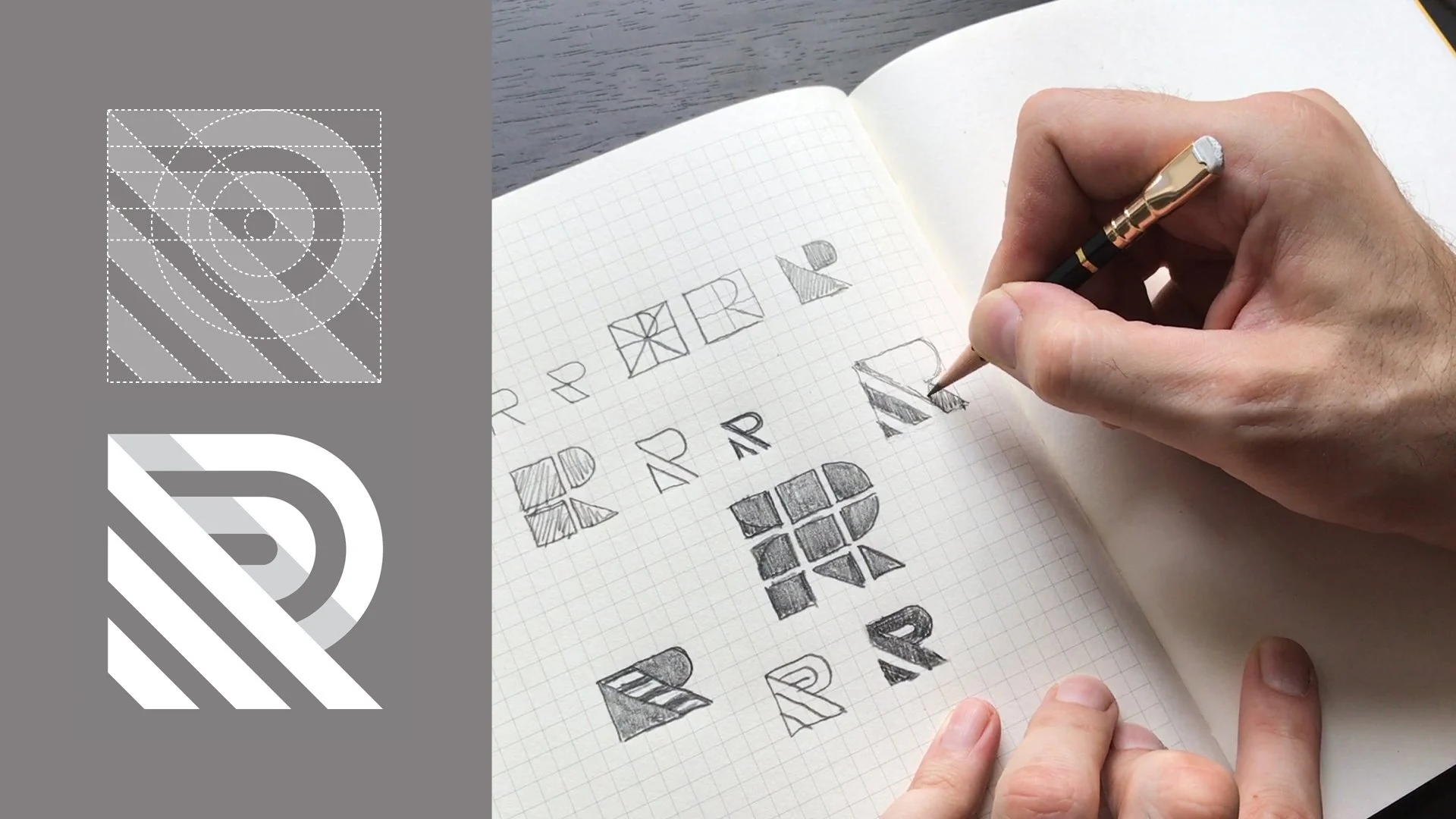
Visual arts are often associated with galleries and traditional fine art, but their reach is far wider. They include applied and digital practices where creativity serves communication and purpose. Visual arts extend into graphic design, advertising, multimedia, photography, and interface design, where visuals function as intentional communication systems (Meggs & Purvis, 2016).
Graphic design, illustration, photography, advertising, motion graphics, and multimedia all exist on the same visual spectrum. The difference lies not in style, but in intent—to express, to inform, or to persuade (Frascara, 2004).
Training the Eye, Not Just the Hand
Visual arts sharpen the most critical skill any designer or enthusiast can develop: visual literacy. Visual literacy is the ability to interpret, negotiate, and create meaning from visual information (International Visual Literacy Association [IVLA], 2011).
This means learning to:
- Recognize balance before placing elements
- Use contrast to guide attention
- Control hierarchy to improve clarity
- Build harmony across layouts and images
When the eye is trained, design decisions become intentional—not accidental. Designers rely on perceptual principles rooted in human cognition, including how viewers organize and prioritize visual information (Ware, 2013).
Visual Arts and Cultural Awareness
Visuals always carry context. Patterns, colors, symbols, and compositions are shaped by culture and history. Artistic traditions reflect shared values, social identities, and historical experiences (Gombrich, 1995).
Engaging with traditional and contemporary visual arts helps designers and enthusiasts create work that is relevant, respectful, and meaningful. Cultural awareness enables designers to produce visuals that communicate effectively across diverse audiences and contexts (Frascara, 2004).
In an increasingly global visual space, cultural awareness transforms visuals from generic to authentic.
A Universal Visual Language
Visual arts function as a language without words. Images can communicate complex emotions, identities, and meanings instantly, often faster than written text (Arnheim, 1969).
Understanding this language allows creators to design visuals that are cohesive, expressive, and emotionally resonant—across print, screen, and interactive media. Visual communication operates through structured relationships between elements, guiding interpretation and emotional response (Lupton & Phillips, 2015).
Why Visual Arts Still Matter Today
Technology evolves rapidly. Design trends come and go. Platforms rise and fall. But the foundation of visual communication remains unchanged because it is rooted in human perception and cognition (Ware, 2013).
For visual graphic designers and enthusiasts, visual arts provide:
- Stronger creative judgment
- Clearer visual communication
- Better conceptual thinking
- More professional and consistent outcomes
Before mastering tools or chasing trends, one must first master seeing, analyzing, and composing visuals. Visual arts develop perception, intentionality, and communication clarity—the essential competencies of effective design (Dondis, 1973).
Because great design doesn’t begin with software.
It begins with vision.
References
Arnheim, R. (1969). Visual thinking. University of California Press.
Dondis, D. A. (1973). A primer of visual literacy. MIT Press.
Frascara, J. (2004). Communication design: Principles, methods, and practice. Allworth Press.
Gombrich, E. H. (1995). The story of art (16th ed.). Phaidon Press.
International Visual Literacy Association. (2011). Definition of visual literacy. IVLA. https://ivla.org
Lupton, E., & Phillips, J. C. (2015). Graphic design: The new basics (2nd ed.). Princeton Architectural Press.
Meggs, P. B., & Purvis, A. W. (2016). Meggs’ history of graphic design (6th ed.). Wiley.
Ware, C. (2013). Information visualization: Perception for design (3rd ed.). Morgan Kaufmann.
If you want, I can also convert this into a journal-ready academic article format with abstract, keywords, headings, and DOI-based references suitable for publication or TESDA Visual Graphic Design NC III instructional modules.

Related Posts


This Post Has 0 Comments