
Graphic design and photography are closely interconnected disciplines that work together to create effective visual…
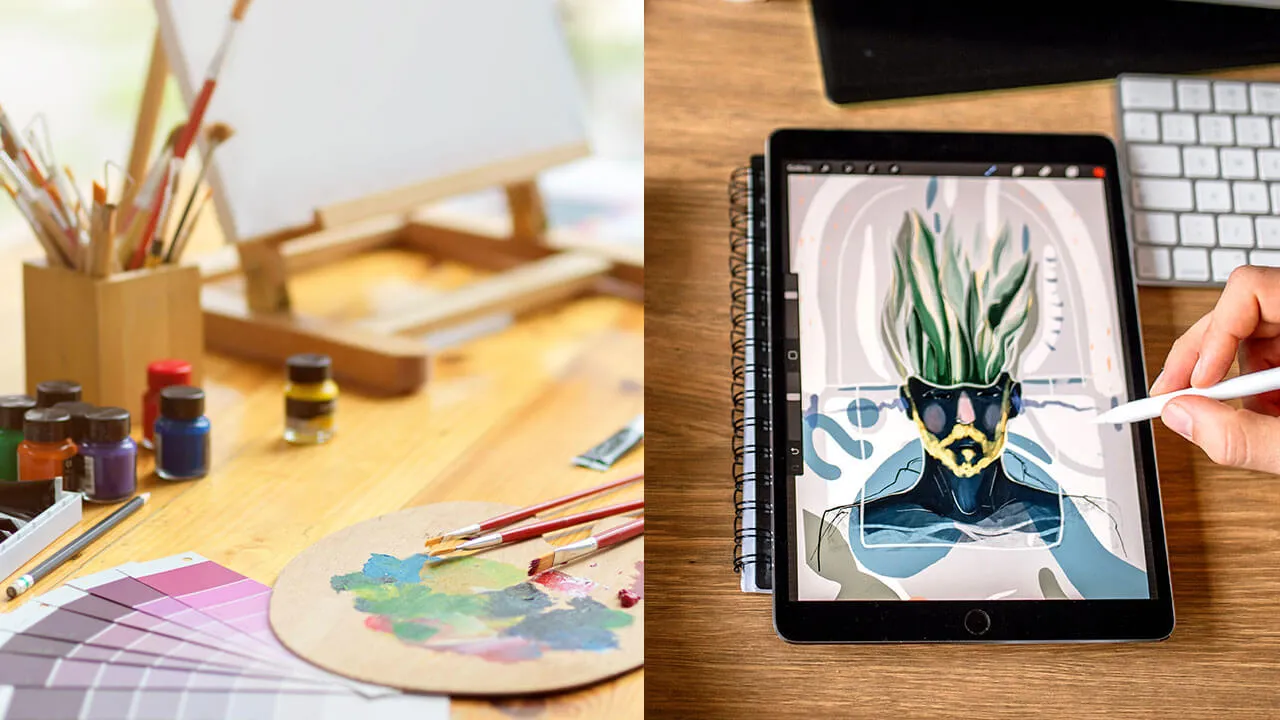
The Elements of Design in Visual Arts: A Foundation for Visual Graphic Designers
In visual graphic design, aesthetics are never accidental. Every compelling layout, logo, poster, interface, or illustration is constructed from a deliberate arrangement of design elements. These elements—rooted in visual arts—form the essential vocabulary that designers use to communicate ideas, evoke emotion, and guide perception (Lupton & Phillips, 2015; Wong, 1993).
Understanding the Elements of Design is not merely academic; it is foundational. For graphic designers and visual enthusiasts, mastery of these elements enables intentional creativity rather than guesswork (Ambrose & Harris, 2011).
1. Line: Direction, Energy, and Structure
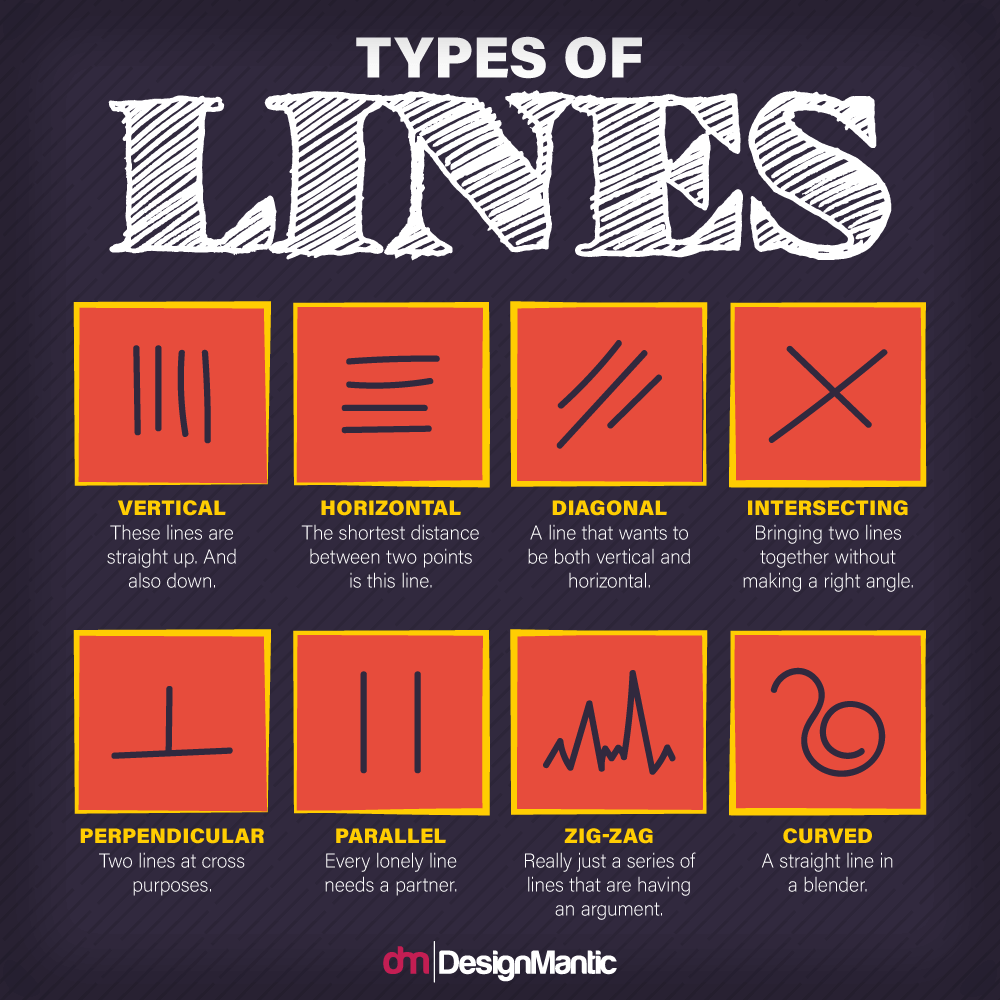
Line is the most fundamental element of design. It defines edges, separates areas, and directs the viewer’s eye (Wong, 1993).
In graphic design, lines:
- Establish hierarchy and alignment
- Create movement and visual flow
- Suggest emotion (sharp lines feel aggressive; curves feel organic)
Lines may be explicit (rules, borders, strokes) or implied (eye movement between objects). Skilled designers use line to control pacing and guide attention across a layout (Lidwell et al., 2010).ers, strokes) or implied (eye movement between objects). Skilled designers use line to control pacing and guide attention across a layout.
2. Shape: Identity and Recognition
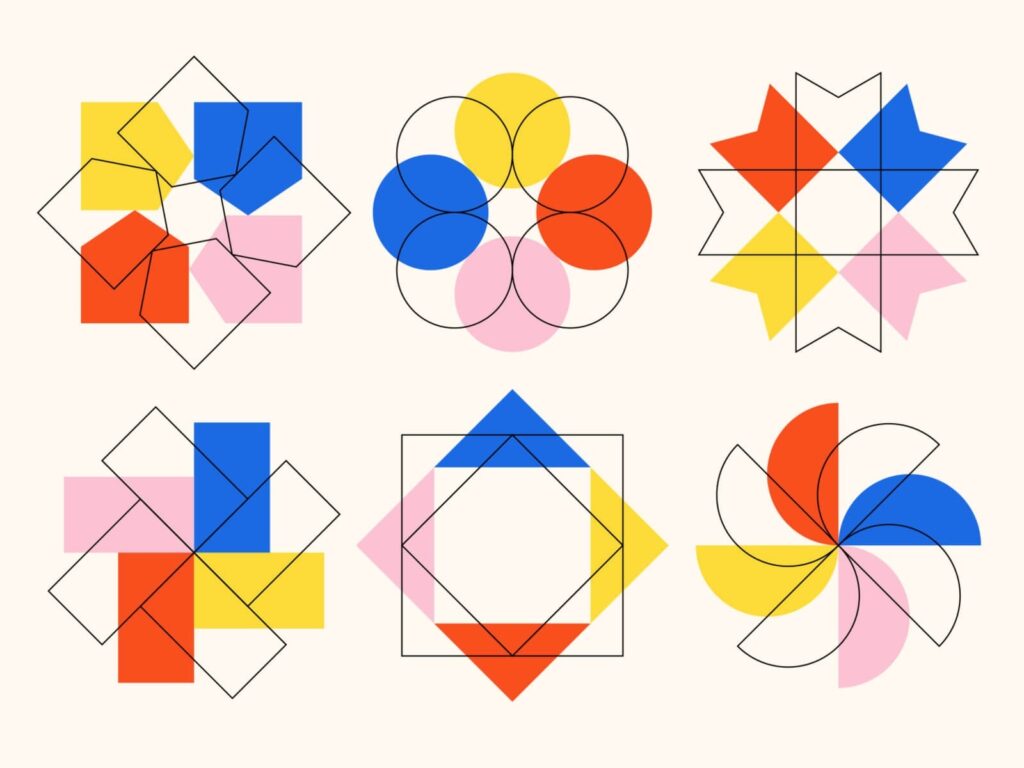
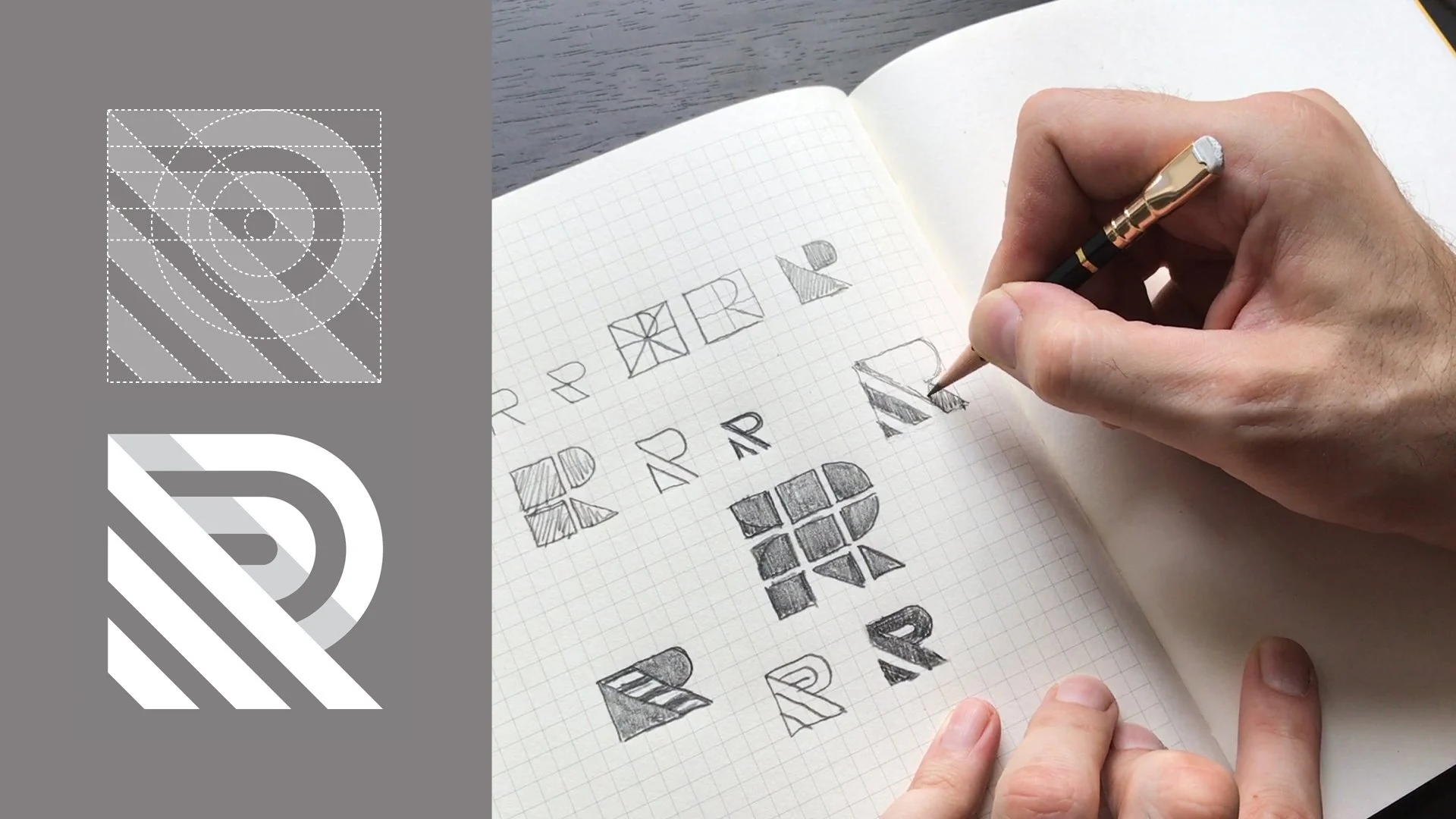
Shape is a two-dimensional, enclosed area created by lines, color, or contrast. In branding and layout design, shapes are critical because they are instantly recognizable (Lupton & Phillips, 2015).
- Geometric shapes convey order, stability, and professionalism
- Organic shapes suggest creativity, nature, or fluidity
- Abstract shapes communicate modernity and innovation
Logos, icons, buttons, and layout blocks rely heavily on shape for clarity and memorability (Ambrose & Harris, 2011).
3. Form: The Illusion of Dimension
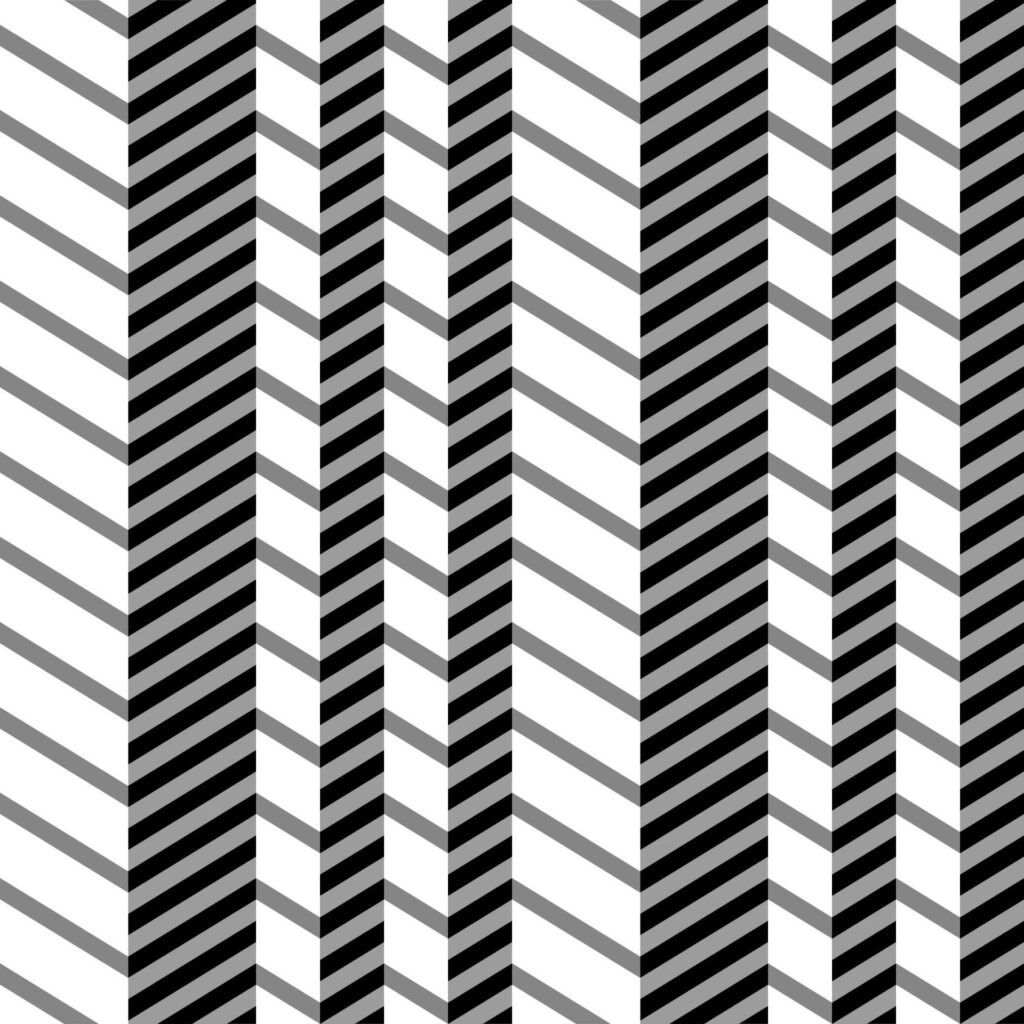
Form refers to three-dimensional objects or the illusion of depth on a flat surface. While graphic design is often two-dimensional, form is crucial for realism and immersion (Wong, 1993).
Designers create form through:
- Shading and highlights
- Gradients
- Perspective and scale
In UI/UX, form helps indicate interactivity—buttons appear “pressable” because they visually project forward, enhancing usability and visual affordance (Norman, 2013).
4. Color: Emotion, Meaning, and Brand Language
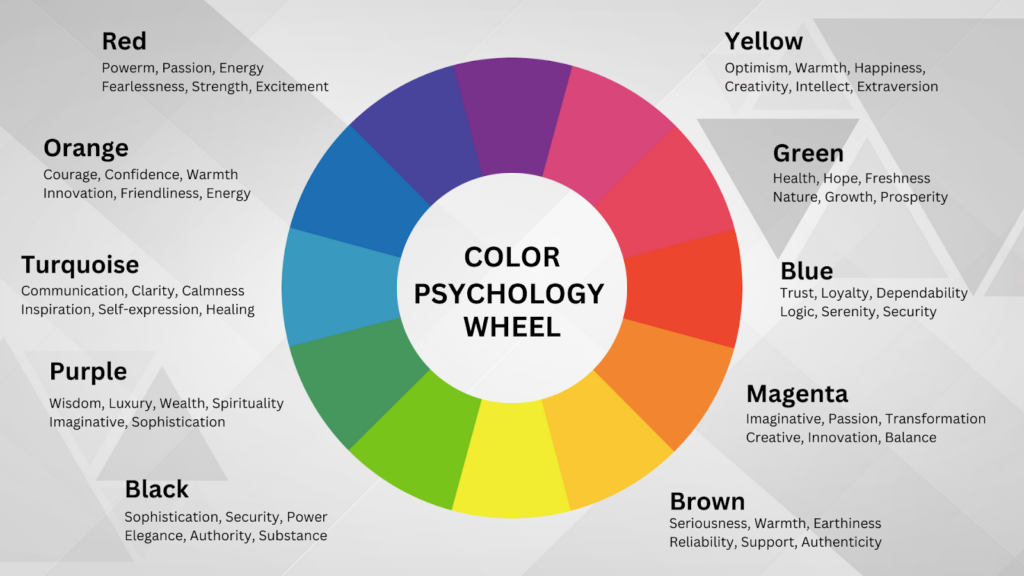
Color is one of the most powerful communicators in visual design. Beyond aesthetics, color influences psychology, usability, and brand identity (Ware, 2013).
Key color properties include:
- Hue – the color itself
- Value – lightness or darkness
- Saturation – intensity or dullness
Graphic designers must consider:
- Emotional impact
- Cultural meaning
- Accessibility and contrast
- Brand consistency
Effective color choices can make a design inviting, authoritative, playful, or urgent—often within milliseconds (Lidwell et al., 2010; Ware, 2013).
5. Value: Contrast and Focus
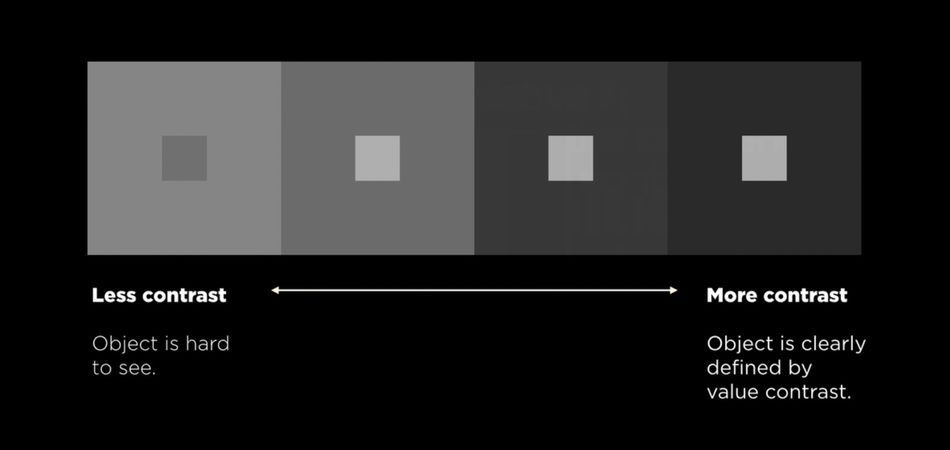
Value refers to the lightness or darkness of a color or tone. In visual design, value is essential for readability and emphasis (Wong, 1993).
Strong value contrast:
- Improves text legibility
- Creates visual hierarchy
- Separates foreground from background
Designs that fail to consider value often look flat, cluttered, or inaccessible—especially in digital environments (Ware, 2013).
6. Texture: Sensory Experience in Visual Form
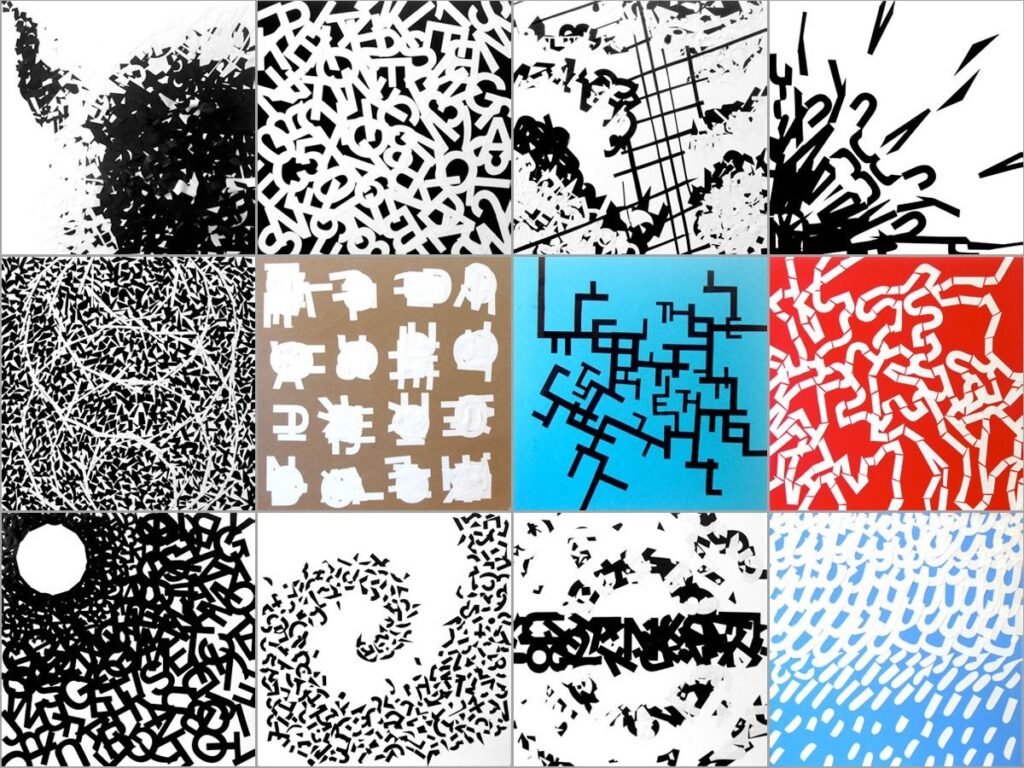
Texture describes the surface quality of a design, either actual or implied (Ambrose & Harris, 2011).
In graphic design, texture is usually implied:
- Paper grain in print layouts
- Fabric or metal effects in digital art
- Noise or grain for depth and realism
Texture adds richness and tactility, preventing designs from feeling sterile when used with restraint (Lupton & Phillips, 2015).
7. Space: Breathing Room and Balance
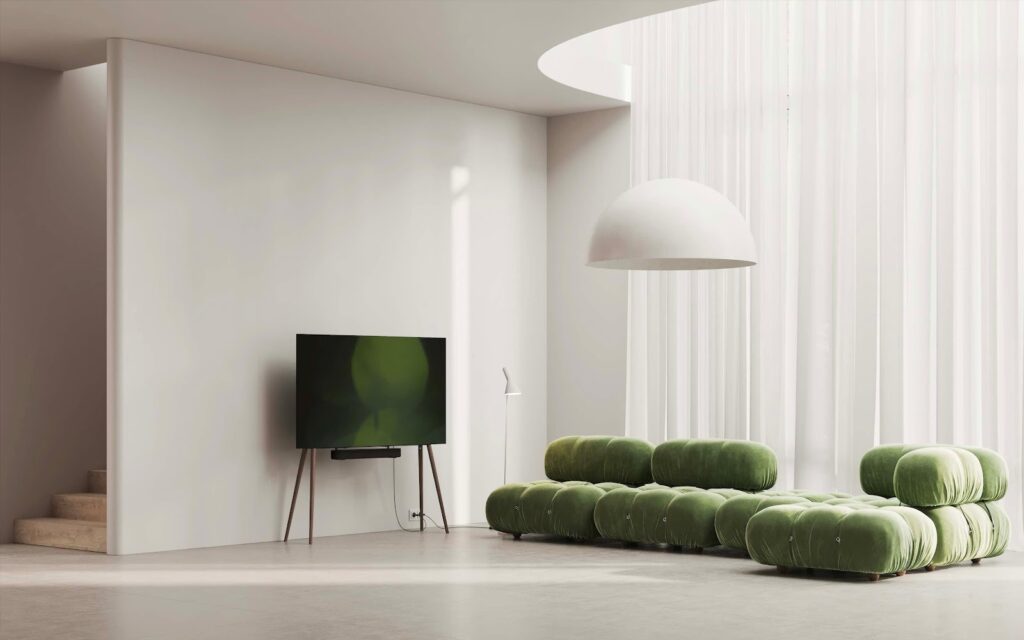
Space is the area around, between, and within design elements. It is often underestimated, yet it is one of the most powerful tools in professional design (Lupton & Phillips, 2015).
- Positive space – occupied by content
- Negative space (white space) – empty areas that enhance clarity
Effective use of space:
- Improves comprehension
- Highlights key elements
- Creates elegance and focus
Minimalist design relies heavily on space to communicate sophistication and confidence (Ambrose & Harris, 2011).
Elements as a System, Not Isolated Parts
For graphic designers, the Elements of Design are never used alone. They operate as an interconnected system that supports the Principles of Design—balance, contrast, emphasis, movement, rhythm, unity, and proportion (Lidwell et al., 2010).
A successful design is not defined by decoration, but by how well these elements are orchestrated to serve purpose, message, and audience (Norman, 2013).
Conclusion
For visual graphic designers and enthusiasts, mastering the Elements of Design is equivalent to learning grammar in a language. Creativity flourishes not by ignoring fundamentals, but by understanding them deeply enough to bend and redefine them with intent (Lupton & Phillips, 2015).
Design is visual problem-solving—and the elements of design are the tools that make solutions possible (Ambrose & Harris, 2011).
References
Ambrose, G., & Harris, P. (2011). The fundamentals of graphic design (2nd ed.). Bloomsbury Publishing.
Lidwell, W., Holden, K., & Butler, J. (2010). Universal principles of design (Rev. ed.). Rockport Publishers.
Lupton, E., & Phillips, J. C. (2015). Graphic design: The new basics (2nd ed.). Princeton Architectural Press.
Norman, D. A. (2013). The design of everyday things (Revised and expanded ed.). Basic Books.
Ware, C. (2013). Information visualization: Perception for design (3rd ed.). Morgan Kaufmann.
Wong, W. (1993). Principles of form and design. John Wiley & Sons.

Related Posts


This Post Has 0 Comments