
Graphic design and photography are closely interconnected disciplines that work together to create effective visual…

Symbolism and Meaning in Visual Imagery
Visual imagery communicates far more than what is immediately visible. Beneath the surface of shapes, colors, and forms lies symbolism—visual elements that represent deeper meanings, ideas, and cultural concepts. Symbolism allows artists and designers to communicate complex messages efficiently, making visual imagery one of the most powerful tools for communication across cultures and time. In graphic design and visual arts, symbolism transforms images into meaningful narratives that influence perception, emotion, and interpretation (Arnheim, 1974; Ware, 2013).
Symbolism allows visual communication to function not only as representation but as meaning.
Understanding Symbolism in Visual Communication
Symbolism refers to the use of visual elements to represent ideas, concepts, or meanings beyond their literal form. A symbol may be an object, color, shape, or image that conveys abstract meaning (Lidwell et al., 2010).
For example:
- A dove symbolizes peace
- A skull symbolizes mortality
- A heart symbolizes love
These meanings are not inherent in the objects themselves but are culturally and socially constructed.
Designers use symbols to communicate messages quickly and effectively.
Symbolism enhances communication efficiency.
Symbolism and Human Perception
The human brain naturally interprets visual stimuli by associating images with prior knowledge and experience. This cognitive process allows symbols to convey meaning instantly (Ware, 2013).
Symbol recognition relies on:
- Memory
- Cultural knowledge
- Context
Visual symbols reduce cognitive effort by communicating complex ideas without requiring extensive explanation.
Symbols support efficient visual communication.
Symbolism aligns with how the brain processes visual information.
Cultural Influence on Symbolism
Symbol meanings vary across cultures. Cultural context determines how visual symbols are interpreted (Gombrich, 1995).
For example:
- White symbolizes purity in some cultures and mourning in others
- Red symbolizes danger, love, or celebration depending on context
Designers must understand cultural symbolism to communicate effectively with specific audiences.
Cultural awareness ensures accurate communication.
Symbolism reflects cultural identity.
Color Symbolism in Visual Design
Color is one of the most powerful symbolic tools in visual imagery. Colors evoke emotional and psychological responses and carry cultural meaning (Ware, 2013).
Examples of color symbolism include:
- Red: energy, danger, passion
- Blue: trust, calmness, stability
- Black: power, elegance, mystery
- White: purity, simplicity, or mourning
Color symbolism influences emotional perception.
Designers use color strategically to communicate meaning and influence audience response (Lupton & Phillips, 2015).
Color strengthens symbolic communication.
Shape Symbolism and Visual Meaning
Shapes also carry symbolic meaning. Basic geometric forms communicate psychological and conceptual associations (Lidwell et al., 2010).
Examples include:
- Circles: unity, completeness, continuity
- Squares: stability, order, structure
- Triangles: strength, direction, tension
Designers use shape symbolism to create visual identity and communicate abstract ideas.
Shapes communicate meaning without words.
Shape symbolism strengthens visual messaging.
Symbolism in Religious and Historical Art
Symbolism has played a central role in religious and historical art. Artists used symbolic imagery to communicate spiritual beliefs and moral lessons (Gombrich, 1995).
For example:
- Halos symbolize holiness
- Light symbolizes divine presence
- Darkness symbolizes mystery or evil
Symbolism helped viewers understand abstract spiritual concepts.
Visual symbols made complex ideas accessible.
Symbolism enhanced cultural storytelling.
Symbolism in Modern Graphic Design
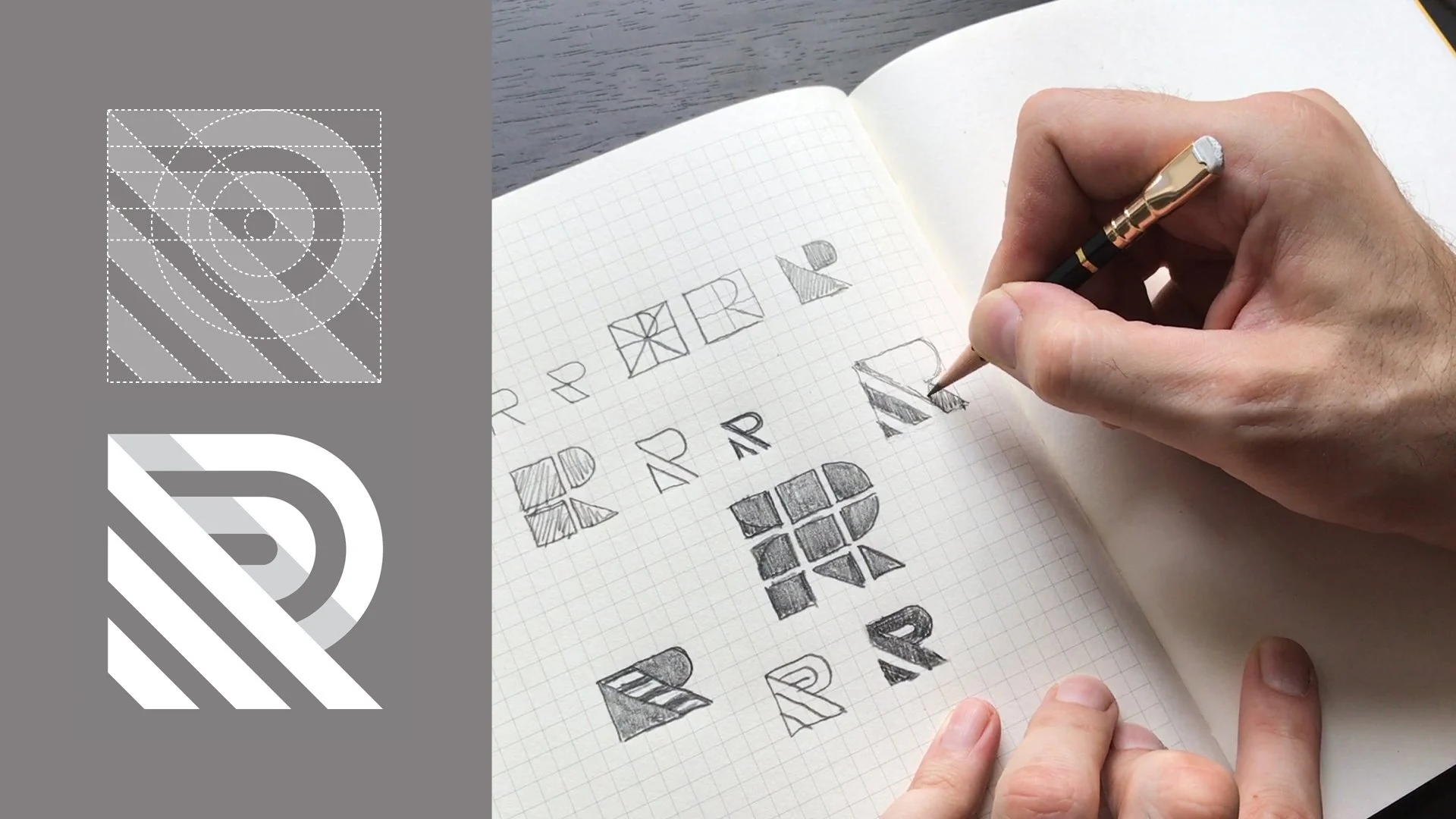
Modern graphic design relies heavily on symbolic imagery. Logos, icons, and brand marks communicate identity through symbols (Meggs & Purvis, 2016).
For example:
- Logos represent brand identity
- Icons represent functions in digital interfaces
- Symbols represent services and concepts
Symbolism allows designers to communicate efficiently.
Visual symbols improve usability and recognition.
Symbolism enhances visual identity.
Symbolism and Visual Identity
Visual identity systems use symbolic elements to represent organizations, brands, and institutions (Lupton & Phillips, 2015).
Symbols help create:
- Brand recognition
- Emotional connection
- Meaningful identity
Effective symbols are simple, memorable, and meaningful.
Symbolism strengthens brand communication.
Symbols represent identity visually.
Symbolism and Emotional Communication
Symbolism enhances emotional communication by connecting visual imagery with psychological meaning. Symbols evoke emotional responses based on learned associations (Arnheim, 1974).
For example:
- Dark imagery may evoke fear or seriousness
- Bright imagery may evoke happiness or optimism
Symbolism strengthens emotional impact.
Emotion enhances communication effectiveness.
Visual symbols influence emotional perception.
Symbolism in Digital Interfaces
Digital interfaces rely heavily on symbolic imagery to communicate functionality. Icons represent actions such as saving, deleting, or sharing (Norman, 2013).
Examples include:
- Trash can icon represents deletion
- Magnifying glass represents search
- Envelope represents email
Symbols improve usability by reducing the need for text.
Symbolism enhances user experience.
Symbols support efficient interaction.
Symbolism and Visual Hierarchy
Symbolism helps establish visual hierarchy by emphasizing important elements. Symbolic imagery draws attention and communicates importance (Ware, 2013).
Designers use symbolic emphasis to guide viewer attention.
Hierarchy improves communication clarity.
Symbolism enhances visual organization.
Symbols guide interpretation.
Symbolism and Abstract Communication
Symbolism allows designers to communicate abstract concepts visually. Ideas such as freedom, power, and unity can be represented through symbolic imagery (Meggs & Purvis, 2016).
Abstract symbolism strengthens visual storytelling.
Symbols communicate ideas efficiently.
Symbolism expands visual communication possibilities.
Design becomes conceptual communication.
Symbolism and Memory
Symbols improve memory retention because visual information is easier to remember than text alone. Visual symbols create strong cognitive associations (Ware, 2013).
Symbolic imagery enhances recognition and recall.
Memory supports communication effectiveness.
Symbols strengthen long-term recognition.
Visual imagery improves memory retention.
Conclusion
Symbolism is a fundamental component of visual imagery and communication. It allows designers and artists to communicate complex ideas, emotions, and cultural meanings efficiently and effectively.
Through color, shape, imagery, and visual representation, symbolism transforms visual elements into meaningful communication tools.
Symbolism enhances clarity, emotional impact, and cultural expression.
For graphic designers, understanding symbolism is essential for creating effective visual communication.
Visual imagery is not only seen—it is interpreted.
Symbols give visual communication its meaning.
References
Arnheim, R. (1974). Art and visual perception: A psychology of the creative eye. University of California Press.
Gombrich, E. H. (1995). The story of art (16th ed.). Phaidon Press.
Lidwell, W., Holden, K., & Butler, J. (2010). Universal principles of design (Rev. ed.). Rockport Publishers.
Lupton, E., & Phillips, J. C. (2015). Graphic design: The new basics (2nd ed.). Princeton Architectural Press.
Meggs, P. B., & Purvis, A. W. (2016). Meggs’ history of graphic design (6th ed.). Wiley.
Norman, D. A. (2013). The design of everyday things (Revised and expanded ed.). Basic Books.
Ware, C. (2013). Information visualization: Perception for design (3rd ed.). Morgan Kaufmann.

Related Posts


This Post Has 0 Comments