
Graphic design and photography are closely interconnected disciplines that work together to create effective visual…
Texture and Depth in Digital Design
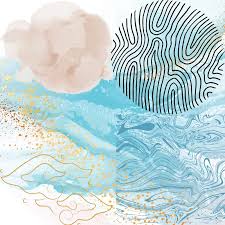
Texture and depth are essential visual components that enhance realism, engagement, and visual hierarchy in digital design. Although digital interfaces exist on flat screens, designers use visual techniques to simulate texture and spatial depth, creating more immersive and intuitive visual experiences. These techniques help users interpret relationships between elements, distinguish foreground from background, and engage more deeply with visual content. Texture and depth transform flat digital surfaces into visually dynamic environments that communicate meaning effectively (Lupton & Phillips, 2015; Ware, 2013).
Texture and depth extend the visual language of digital design beyond flat representation.
They create visual realism and enhance user perception.
Understanding Texture in Digital Design
Texture refers to the surface quality of a visual element. In digital design, texture is typically simulated rather than physically felt (Wong, 1993).
There are two types of texture:
- Actual texture, which exists physically
- Implied texture, which is visually simulated
Digital design primarily uses implied texture.
Texture enhances visual richness.
Texture improves visual realism.
Texture creates sensory engagement.
Texture strengthens visual communication.
Texture adds visual complexity and interest.
Visual Perception of Texture
The human brain interprets texture as a cue for material and surface quality. Texture helps viewers understand whether an object appears smooth, rough, soft, or hard (Ware, 2013).
Texture improves:
- Visual recognition
- Material perception
Texture enhances realism.
Visual perception relies on texture cues.
Texture strengthens perceptual understanding.
Texture improves visual interpretation.
Texture enhances sensory experience.
Texture improves visual clarity.
Texture and Emotional Communication
Texture influences emotional response. Smooth textures often create calm and modern feelings, while rough textures create natural or organic feelings (Lidwell et al., 2010).
Texture influences mood.
Texture enhances emotional communication.
Texture shapes emotional perception.
Texture strengthens expressive communication.
Visual texture communicates atmosphere.
Texture enhances visual storytelling.
Texture affects emotional tone.
Texture influences viewer experience.
Creating Texture in Digital Design
Digital designers create texture using visual techniques such as:
- Noise and grain
- Pattern overlays
- Image textures
These techniques simulate surface qualities.
Texture enhances realism.
Digital tools enable texture simulation.
Texture enhances visual depth.
Texture strengthens visual authenticity.
Texture improves visual engagement.
Texture enhances aesthetic quality.
Texture supports artistic expression.
Understanding Depth in Digital Design
Depth refers to the perception of distance between visual elements. Although digital screens are flat, designers simulate depth using visual cues (Ware, 2013).
Depth helps viewers distinguish:
- Foreground elements
- Background elements
Depth enhances spatial understanding.
Depth improves visual hierarchy.
Depth strengthens visual organization.
Depth enhances communication clarity.
Depth improves visual realism.
Depth strengthens perceptual structure.
Techniques for Creating Depth
Designers simulate depth using several visual techniques, including:
Shadow
Shadows suggest that objects exist in space and are positioned relative to other elements.
Shadows enhance realism.
Shadow improves spatial perception.
Shadow strengthens visual hierarchy.
Shadow enhances visual separation.
Shadow improves clarity.
Shadow creates depth illusion.
Shadow enhances dimensionality.
Shadow supports visual organization.
Gradient
Gradients simulate lighting and form by gradually changing color value.
Gradients enhance realism.
Gradient improves depth perception.
Gradient enhances visual dimension.
Gradient strengthens spatial illusion.
Gradient improves visual structure.
Gradient enhances aesthetic quality.
Gradient supports visual hierarchy.
Gradient strengthens dimensional perception.
Overlapping Elements
Overlapping elements create depth by showing which objects are in front or behind others.
Overlap enhances spatial relationships.
Overlap strengthens visual hierarchy.
Overlap improves visual organization.
Overlap enhances depth perception.
Overlap improves clarity.
Overlap strengthens visual structure.
Overlap enhances spatial realism.
Overlap improves communication effectiveness.
Size and Scale
Larger elements appear closer, while smaller elements appear farther away.
Scale enhances depth perception.
Size strengthens spatial understanding.
Scale improves visual hierarchy.
Scale enhances visual realism.
Scale strengthens visual organization.
Scale improves communication clarity.
Scale enhances dimensional perception.
Scale supports perceptual interpretation.
Texture and Depth in User Interface (UI) Design
Texture and depth enhance usability by helping users understand interactive elements (Norman, 2013).
Designers use depth to indicate:
- Clickable buttons
- Interactive elements
Depth enhances usability.
Texture improves interface clarity.
Depth supports functional communication.
Texture enhances user engagement.
Depth improves interaction clarity.
Texture strengthens visual experience.
Depth enhances usability.
Texture supports interface realism.
Texture and Depth in Visual Hierarchy
Texture and depth strengthen visual hierarchy by distinguishing important elements from background elements (Ware, 2013).
Designers use depth to:
- Emphasize key elements
Hierarchy improves communication effectiveness.
Depth strengthens visual emphasis.
Texture enhances visual distinction.
Depth improves visual organization.
Texture strengthens perceptual clarity.
Depth enhances communication structure.
Texture improves visual focus.
Depth strengthens hierarchy.
Texture and Depth in Branding and Visual Identity
Texture and depth enhance brand identity by creating distinctive visual experiences (Lupton & Phillips, 2015).
Texture enhances brand personality.
Depth strengthens visual identity.
Texture improves memorability.
Depth enhances brand engagement.
Texture strengthens emotional connection.
Depth enhances visual storytelling.
Texture enhances brand recognition.
Depth strengthens identity communication.
Texture and Depth in Motion Graphics and Digital Media
Texture and depth enhance realism in motion graphics and digital environments (Krasner, 2013).
Depth enhances immersive experience.
Texture strengthens visual realism.
Depth enhances storytelling.
Texture improves visual engagement.
Depth enhances digital realism.
Texture strengthens artistic expression.
Depth enhances visual dimension.
Texture strengthens visual authenticity.
Cognitive Impact of Texture and Depth
Texture and depth improve cognitive processing by helping viewers interpret spatial relationships (Ware, 2013).
Depth enhances comprehension.
Texture strengthens perceptual clarity.
Depth improves visual interpretation.
Texture enhances cognitive understanding.
Depth strengthens communication effectiveness.
Texture improves perceptual recognition.
Depth enhances visual structure.
Texture supports cognitive efficiency.
Texture and Depth in Contemporary Digital Design
Modern digital design uses texture and depth to create immersive and engaging experiences. These techniques enhance visual realism and communication effectiveness (Meggs & Purvis, 2016).
Texture enhances visual richness.
Depth strengthens visual realism.
Texture enhances aesthetic quality.
Depth improves user engagement.
Texture strengthens visual experience.
Depth enhances communication clarity.
Texture improves visual storytelling.
Depth strengthens visual perception.
Conclusion
Texture and depth are essential components of digital design that enhance realism, usability, and visual communication. By simulating surface qualities and spatial relationships, designers create immersive visual experiences that improve perception and engagement.
Texture enhances emotional and aesthetic quality.
Depth strengthens visual hierarchy and spatial understanding.
Together, texture and depth transform flat digital interfaces into dynamic visual environments.
Understanding texture and depth allows designers to create visually compelling and effective digital communication.
Texture and depth bring digital design to life.
References
Krasner, J. (2013). Motion graphic design: Applied history and aesthetics (2nd ed.). Focal Press.
Lidwell, W., Holden, K., & Butler, J. (2010). Universal principles of design (Rev. ed.). Rockport Publishers.
Lupton, E., & Phillips, J. C. (2015). Graphic design: The new basics (2nd ed.). Princeton Architectural Press.
Meggs, P. B., & Purvis, A. W. (2016). Meggs’ history of graphic design (6th ed.). Wiley.
Norman, D. A. (2013). The design of everyday things (Revised and expanded ed.). Basic Books.
Ware, C. (2013). Information visualization: Perception for design (3rd ed.). Morgan Kaufmann.
Wong, W. (1993). Principles of form and design. John Wiley & Sons.

Related Posts


This Post Has 0 Comments