
Graphic design and photography are closely interconnected disciplines that work together to create effective visual…
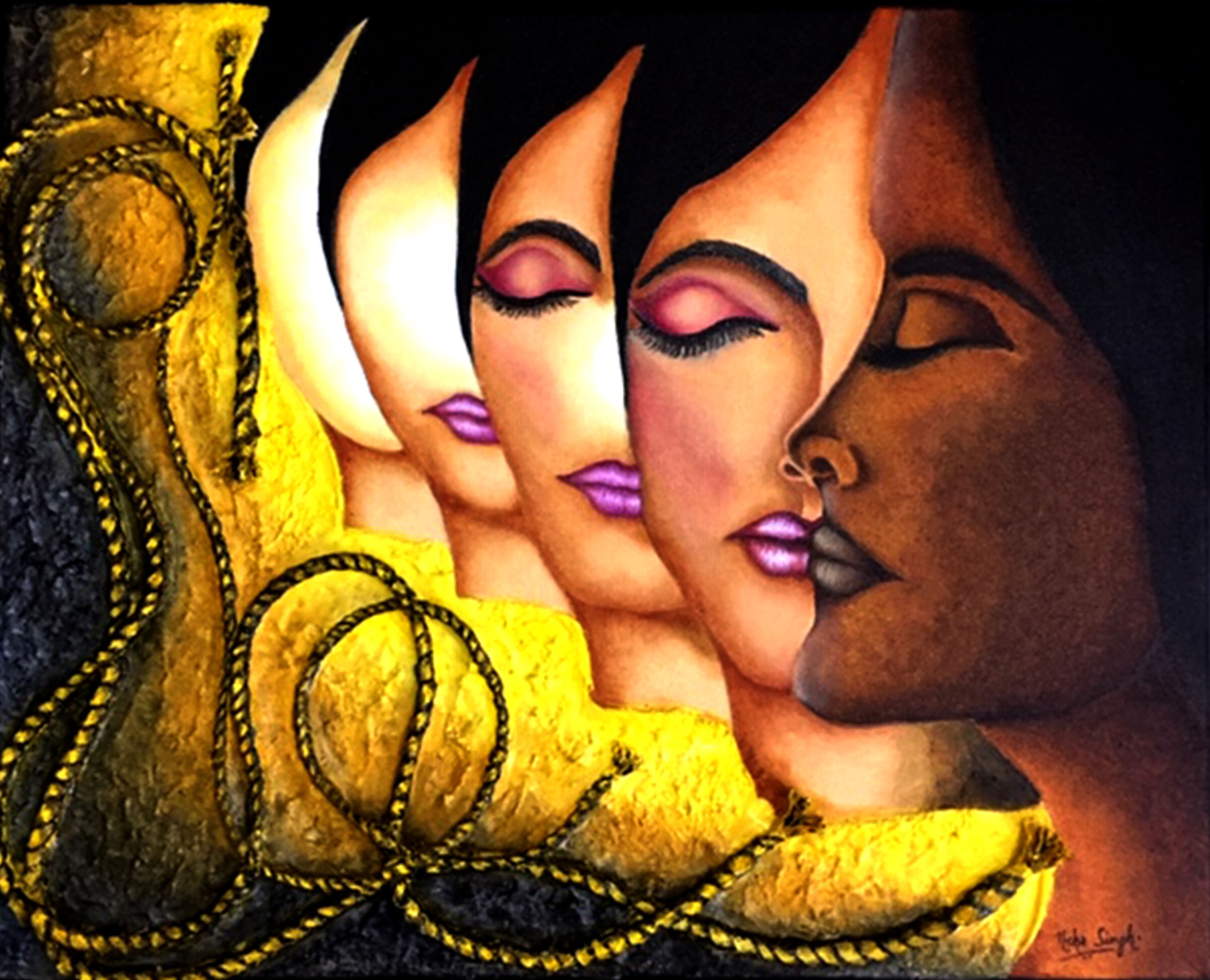
Emotion in Visual Art: How Images Make Us Feel
Emotion is a central component of visual art and design. Images have the power to evoke feelings such as joy, sadness, fear, excitement, or calmness without using words. This emotional impact occurs because the human brain processes visual information rapidly and connects it with memory, experience, and psychological associations. Artists and designers intentionally use visual elements—such as color, composition, light, and symbolism—to influence emotional response and communicate meaning. Understanding how images evoke emotion allows designers to create more engaging and effective visual communication (Arnheim, 1974; Ware, 2013).
Visual art communicates not only information, but emotional experience.
Emotion transforms visual imagery into meaningful human communication.
How the Brain Responds to Visual Stimuli
The human brain processes visual information quickly and connects it with emotional centers, particularly the amygdala, which plays a key role in emotional response. This allows viewers to experience emotional reactions almost immediately when viewing an image (Ware, 2013).
Visual processing involves:
- Recognition of shapes and forms
- Interpretation of color and contrast
- Association with memory and experience
These processes influence emotional perception.
Emotion enhances visual understanding.
The brain connects visual input with emotional meaning.
Visual perception influences emotional response.
Emotion strengthens communication effectiveness.
Color as an Emotional Trigger
Color is one of the most powerful emotional elements in visual art. Different colors evoke different psychological responses based on biological and cultural associations (Lidwell et al., 2010).
Examples include:
- Red evokes energy, passion, or urgency
- Blue evokes calmness, trust, and stability
- Yellow evokes warmth and optimism
- Dark colors evoke seriousness or mystery
Color influences mood and emotional interpretation.
Designers use color intentionally to create emotional impact.
Color enhances expressive communication.
Emotion is strongly connected to color perception.
Color shapes emotional experience.
Composition and Emotional Influence
Composition refers to how visual elements are arranged within an image. Composition influences how viewers emotionally respond to visual content (Arnheim, 1974).
Balanced compositions create emotional stability and harmony.
Unbalanced compositions create tension and unease.
Composition affects emotional tone.
Visual structure influences emotional perception.
Designers use composition to shape emotional experience.
Composition guides emotional interpretation.
Structure influences emotional response.
Light, Shadow, and Emotional Atmosphere
Light and shadow play a critical role in emotional expression. Bright lighting often creates positive or energetic emotional responses, while dark lighting creates serious or dramatic emotional tones (Gombrich, 1995).
Designers use light and shadow to:
- Create mood
- Enhance emotional depth
Light influences emotional atmosphere.
Shadow enhances emotional intensity.
Lighting affects psychological response.
Visual contrast strengthens emotional communication.
Light and shadow shape emotional experience.
Lighting enhances emotional storytelling.
Facial Expression and Emotional Connection
Humans are highly sensitive to facial expressions. The brain is specialized for recognizing faces and interpreting emotional signals (Ware, 2013).
Facial imagery enhances emotional connection.
Expressions communicate emotion directly.
Viewers empathize with emotional imagery.
Emotional connection enhances engagement.
Faces strengthen emotional communication.
Human expression influences emotional perception.
Visual art connects viewers emotionally.
Symbolism and Emotional Meaning
Symbols enhance emotional communication by representing ideas and emotional concepts visually. Symbolism allows designers to communicate complex emotional meanings efficiently (Arnheim, 1974).
Examples include:
- Dark imagery representing fear or mystery
- Light imagery representing hope or peace
Symbols enhance emotional storytelling.
Symbolism communicates emotional meaning.
Visual symbols strengthen emotional interpretation.
Symbolism enhances expressive communication.
Emotion is conveyed symbolically.
Symbols connect with emotional memory.
Visual Contrast and Emotional Emphasis
Contrast enhances emotional impact by emphasizing visual differences. High contrast creates dramatic emotional effects, while low contrast creates calm or subtle emotional responses (Ware, 2013).
Contrast influences emotional intensity.
High contrast increases emotional drama.
Low contrast creates emotional calmness.
Contrast strengthens emotional communication.
Visual emphasis enhances emotional response.
Contrast improves emotional clarity.
Designers use contrast to influence emotion.
Movement and Emotional Expression
Motion influences emotional perception. Movement conveys energy, urgency, or calmness depending on speed and rhythm (Krasner, 2013).
Fast movement evokes excitement or tension.
Slow movement evokes calmness or reflection.
Movement enhances emotional storytelling.
Motion strengthens emotional engagement.
Visual rhythm influences emotional response.
Movement enhances expressive communication.
Emotion is influenced by motion.
Movement adds emotional dimension.
Cultural Influence on Emotional Interpretation
Emotional responses to visual imagery are influenced by cultural context. Cultural background shapes emotional interpretation of colors, symbols, and imagery (Gombrich, 1995).
Designers must consider cultural meaning.
Cultural context influences emotional response.
Emotion is shaped by cultural experience.
Visual meaning varies culturally.
Cultural awareness improves communication effectiveness.
Emotion depends on cultural interpretation.
Visual communication reflects cultural emotion.
Emotional Engagement and Memory
Emotion enhances memory retention. Emotional images are more memorable than neutral images because emotional experiences strengthen memory formation (Ware, 2013).
Emotion improves recall.
Emotional imagery enhances recognition.
Emotion strengthens communication effectiveness.
Memory is influenced by emotional experience.
Emotional engagement enhances learning.
Emotion improves visual impact.
Designers use emotion to enhance memorability.
Emotion strengthens visual communication.
Emotional Communication in Graphic and Digital Design
Graphic designers use emotional principles to create engaging visual experiences. Emotional communication strengthens user engagement and brand identity (Norman, 2013).
Emotion enhances:
- Brand connection
- User experience
Emotion strengthens visual identity.
Emotional engagement improves usability.
Designers use emotion strategically.
Emotion enhances communication effectiveness.
Visual design communicates emotional meaning.
Emotion influences user perception.
Emotion and Aesthetic Experience
Aesthetic experience is closely connected to emotional response. Visually pleasing designs create positive emotional experiences (Arnheim, 1974).
Aesthetic quality enhances emotional engagement.
Emotion strengthens aesthetic appreciation.
Design influences emotional satisfaction.
Visual beauty enhances emotional connection.
Emotion enhances artistic experience.
Design communicates emotional value.
Emotion strengthens visual impact.
Aesthetic experience influences perception.
Conclusion
Emotion is a fundamental component of visual art and design. Images evoke emotional responses through color, composition, lighting, symbolism, and visual structure.
Understanding emotional communication allows designers to create visual experiences that engage viewers deeply and meaningfully.
Emotion enhances communication effectiveness, memorability, and user engagement.
Visual art communicates both information and feeling.
Emotion transforms visual imagery into human experience.
Effective design connects with viewers emotionally.
Emotion is the bridge between visual form and human meaning.
References
Arnheim, R. (1974). Art and visual perception: A psychology of the creative eye. University of California Press.
Gombrich, E. H. (1995). The story of art (16th ed.). Phaidon Press.
Krasner, J. (2013). Motion graphic design: Applied history and aesthetics (2nd ed.). Focal Press.
Lidwell, W., Holden, K., & Butler, J. (2010). Universal principles of design (Rev. ed.). Rockport Publishers.
Norman, D. A. (2013). The design of everyday things (Revised and expanded ed.). Basic Books.
Ware, C. (2013). Information visualization: Perception for design (3rd ed.). Morgan Kaufmann.

Related Posts


This Post Has 0 Comments